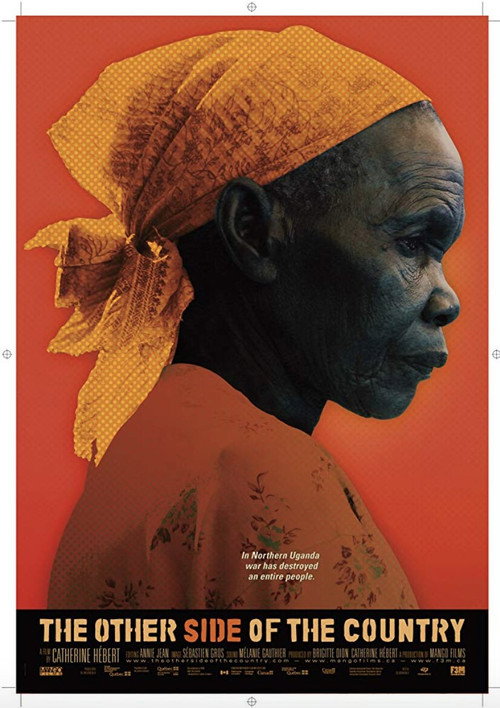
The Other Side of the Country 2007
"In Northern Uganda, war has destroyed an entire people"
Dive into the harrowing reality of Northern Uganda's civil war with *The Other Side of the Country* (2007), a gripping documentary that exposes one of the 21st century's most devastating humanitarian crises.
Director: Catherine Hébert
Frequently Asked Questions
What is The Other Side of the Country (2007) about?
This documentary exposes the brutal civil war in Northern Uganda, where rebels and government forces turn civilians—especially children—into pawns in a deadly conflict. Villagers flee to camps for safety, only to find disease, starvation, and despair.
Who directed The Other Side of the Country?
The film was directed by Catherine Hébert, whose work brings hidden humanitarian crises into sharp focus with raw realism.
Who stars in The Other Side of the Country?
Director information is not available.
Is The Other Side of the Country (2007) worth watching?
As a documentary tackling urgent real-world issues, *The Other Side of the Country* offers more than just a viewing experience—it's a wake-up call. While it lacks star power, Hébert's uncompromising storytelling makes it essential for anyone seeking to understand modern warfare's human toll.
How long is The Other Side of the Country?
The film runs for 84 minutes.
About The Other Side of the Country (2007) — A raw, unfiltered look at Uganda's war on its own people
Dive into the harrowing reality of Northern Uganda's civil war with *The Other Side of the Country* (2007), a gripping documentary that exposes one of the 21st century's most devastating humanitarian crises. Directed by Catherine Hébert, this urgent film immerses viewers in a world where war isn't just waged on battlefields but on civilians—particularly children—caught between rebel forces and government campaigns.
The documentary captures the brutal chaos as rebels abduct and indoctrinate young people into their ranks, prompting the government to relocate over a million terrified villagers into so-called 'protective' camps. Yet these camps, meant to shield them, become death traps of disease and despair. Hébert's politically sharp lens strips away propaganda, laying bare the human cost of a conflict where survival itself is a daily battle. Atmospheric yet unflinching, the film forces audiences to confront uncomfortable truths about war's collateral damage.