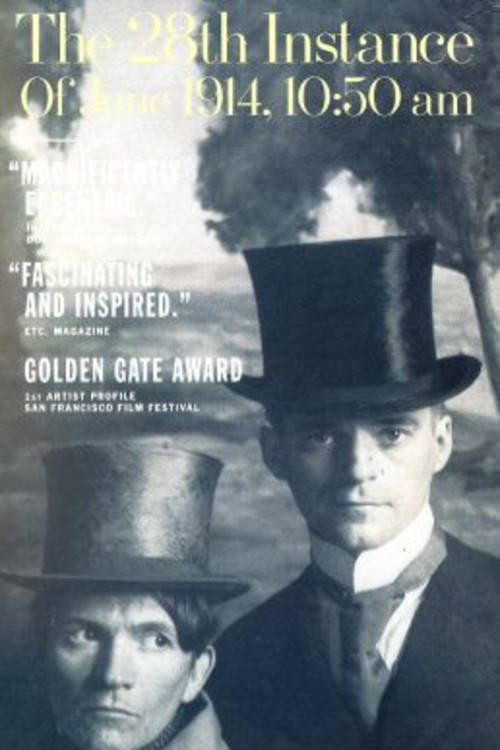
The 28th Instance of June 1914 10:50 a.m. 1995
In this fascinating 1995 documentary by Barbara Politsch, artists David McDermott and Peter McGough craft a living anachronism in New York's East Village, dressing in early 20th-century fashion as both lifestyle and art.
Director: Barbara Politsch
Frequently Asked Questions
What is The 28th Instance of June 1914 10:50 a.m. (1995) about?
This documentary follows artists David McDermott and Peter McGough as they adopt the fashions and mannerisms of the early 1900s, turning their daily lives into a living work of art. Their eccentric lifestyle in New York's East Village becomes a commentary on nostalgia, self-expression, and the fluid boundaries of artistic creation.
Who directed The 28th Instance of June 1914 10:50 a.m.?
Barbara Politsch directed this offbeat documentary, offering a sensitive and visually rich portrayal of McDermott and McGough's unique world.
Who stars in The 28th Instance of June 1914 10:50 a.m.?
The film centers on artists David McDermott and Peter McGough, whose namesake partnership and artistic vision drive the narrative.
Is The 28th Instance of June 1914 10:50 a.m. (1995) worth watching?
While it may not be a mainstream crowd-pleaser, this 56-minute documentary offers a mesmerizing dive into performance art and identity. Its niche appeal and thought-provoking themes make it a rewarding watch for fans of experimental filmmaking and unconventional lifestyles.
How long is The 28th Instance of June 1914 10:50 a.m.?
The film runs for 56 minutes.
About The 28th Instance of June 1914 10:50 a.m. (1995) — A Glimpse Into Two Artists' Anachronistic Life
In this fascinating 1995 documentary by Barbara Politsch, artists David McDermott and Peter McGough craft a living anachronism in New York's East Village, dressing in early 20th-century fashion as both lifestyle and art.
The 28th Instance of June 1914 10:50 a.m. peels back the layers of their unconventional existence, where every gesture—from their meticulously curated wardrobes to their daily rituals—becomes a performance of a past that never was. It's a visual and thematic exploration of identity, authenticity, and the blurred line between art and life, wrapped in a quietly subversive charm that lingers long after the credits roll.