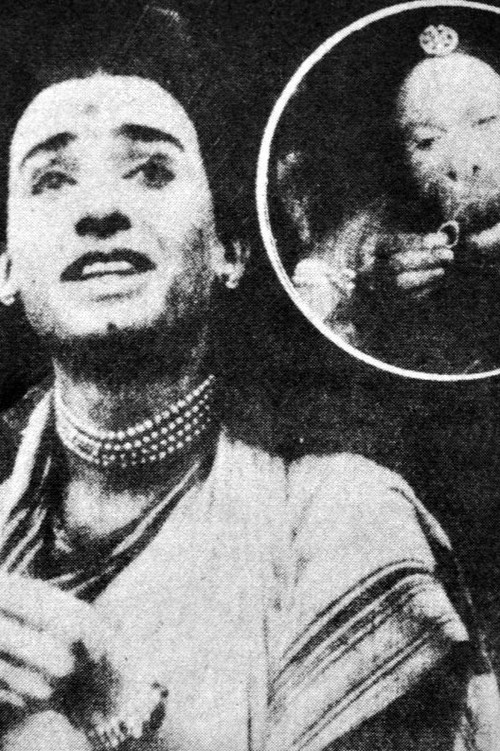
The Burning of Lanka 1917
Directed by the visionary Dadasaheb Phalke, *The Burning of Lanka (1917)* is a silent-era masterpiece that brings a pivotal episode from the *Ramayana* to life with striking visual storytelling.
Director: Dhundiraj Govind Phalke
Cast
Frequently Asked Questions
What is *The Burning of Lanka (1917)* about?
*The Burning of Lanka* adapts a dramatic episode from the *Ramayana*, where Sita is held captive by Ravana in Lanka, and Rama wages war to rescue her with the help of an army of monkeys and bears. The film culminates in a spectacular confrontation, blending mythology, drama, and fantasy into a visually compelling narrative.
Who directed *The Burning of Lanka*?
*The Burning of Lanka* was directed by Dhundiraj Govind Phalke, also known as Dadasaheb Phalke, a pioneering figure in Indian cinema whose work laid the foundation for future mythological films.
Who stars in *The Burning of Lanka*?
The film stars Anna Salunke, Ganpat G. Shinde, D.D. Dabke, and Mandakini Phalke in key roles, bringing the epic characters to life with expressive performances.
Is *The Burning of Lanka (1917)* worth watching?
While *The Burning of Lanka* is a short silent film, its historical significance as one of the earliest mythological epics in Indian cinema makes it a compelling watch for fans of early cinema and mythology. Its dramatic intensity and Phalke's direction add depth to a familiar story, offering a unique glimpse into silent-era storytelling.
How long is *The Burning of Lanka*?
*The Burning of Lanka* runs for approximately 6 minutes.
About The Burning of Lanka (1917) — Dadasaheb Phalke's Silent Mythological Masterpiece
Directed by the visionary Dadasaheb Phalke, *The Burning of Lanka (1917)* is a silent-era masterpiece that brings a pivotal episode from the *Ramayana* to life with striking visual storytelling. This six-minute fantasy drama retells the legendary tale of Lord Rama's wife Sita, abducted by the demon king Ravana, and the epic battle that follows—where courage, devotion, and divine allies converge in a fiery climax. Phalke's pioneering use of cinematography and mythological themes creates an atmosphere of mythic grandeur, blending drama with the fantastical. The film captures a moment in cinema history when storytelling transcended words, relying instead on expressive performances and symbolic imagery to convey its timeless narrative.
At its heart, *The Burning of Lanka* explores the eternal struggle between good and evil, framed through the lens of Hindu mythology. The film's restrained runtime is packed with dramatic tension, as Hanuman and Rama's forces descend upon Lanka, their mission fueled by loyalty and righteousness. Phalke's direction transforms a well-known epic into a cinematic experience, offering a glimpse into early Indian cinema's creative ambitions. For fans of historical films and mythology enthusiasts, this silent gem remains a fascinating relic of India's cinematic heritage, showcasing how storytelling evolved with the medium itself.