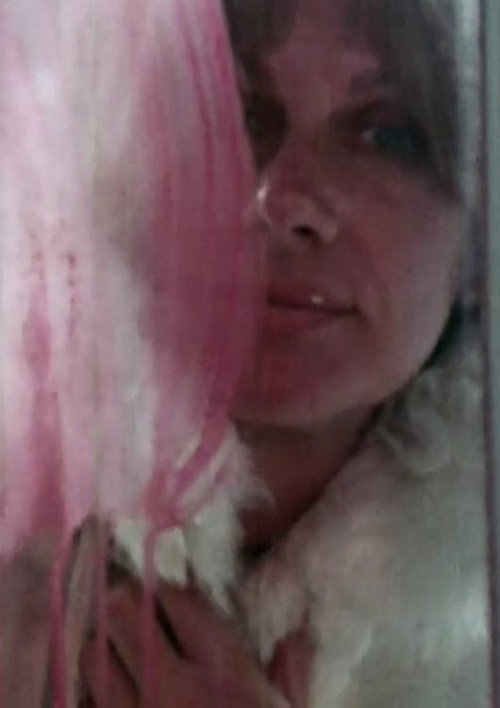
Portraits 1974
Narcisa Hirsch's *Portraits (1974)* is a concise yet evocative short film that immerses viewers in a visual meditation on identity and perception.
Director: Narcisa Hirsch
Frequently Asked Questions
What is Portraits (1974) about?
Narcisa Hirsch's *Portraits* is a short film that explores identity and perception through striking visuals rather than dialogue. It uses abstract imagery to challenge how we interpret faces, forms, and self-representation, creating an introspective experience that lingers in the mind.
Who directed Portraits?
Narcisa Hirsch directed *Portraits (1974)*. Known for her experimental and boundary-pushing work in cinema, Hirsch's films often blend visual artistry with deeper philosophical questions.
Who stars in Portraits?
Cast details for *Portraits (1974)* are not publicly listed.
Is Portraits (1974) worth watching?
*Portraits* is a niche but rewarding experience for fans of avant-garde cinema. Its experimental style and moody visuals make it a standout short film, though its unconventional approach may not appeal to everyone. Given its brevity, it's worth a watch if you appreciate artistic filmmaking.
How long is Portraits?
*Portraits (1974)* has a runtime of 16 minutes.
About Portraits (1974) — Experimental Short Film by Narcisa Hirsch
Narcisa Hirsch's *Portraits (1974)* is a concise yet evocative short film that immerses viewers in a visual meditation on identity and perception. Clocking in at just 16 minutes, the film strips away narrative excess to focus on striking imagery that challenges conventional notions of portraiture. Hirsch, known for her experimental approach to cinema, crafts a moody atmosphere that lingers long after the credits roll, blending abstract composition with emotional resonance. The film's experimental nature invites interpretations ranging from introspective self-examination to critiques of societal constructs surrounding image and representation.
Shot with a minimalist aesthetic, *Portraits* thrives on atmosphere, using light, shadow, and composition to evoke a sense of introspection. While details about its genre or full cast remain scarce, the film's brevity and experimental style suggest it may appeal to fans of avant-garde cinema and those who appreciate film as a medium for artistic expression rather than traditional storytelling.