Una serpiente inofensiva. La culebra 1914
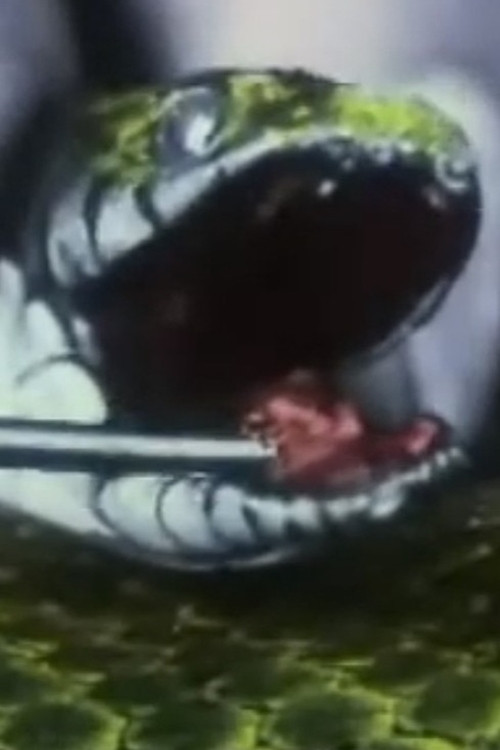
Step back in time to 1914 with *Una serpiente inofensiva. La culebra*, an early silent documentary that offers a rare glimpse into early 20th-century wildlife through vivid stencil coloring.
Frequently Asked Questions
What is Una serpiente inofensiva. La culebra (1914) about?
This early silent documentary showcases a harmless snake through beautifully stencil-colored footage, blending scientific observation with early cinematic artistry. The film offers a brief but vivid glimpse into wildlife as captured by 1914's filmmaking techniques.
Who directed Una serpiente inofensiva. La culebra?
Director information is not available.
Who stars in Una serpiente inofensiva. La culebra?
Cast details for this 1914 documentary are not listed.
Is Una serpiente inofensiva. La culebra (1914) worth watching?
While *Una serpiente inofensiva. La culebra* is a niche historical piece, its seven-minute runtime and unique stencil-colored approach make it a fascinating watch for early film and documentary enthusiasts. Its value lies in its historical significance rather than modern storytelling.
How long is Una serpiente inofensiva. La culebra?
The runtime is 7 minutes.
🎥 Trailer
About Una serpiente inofensiva. La culebra (1914) — Discover the vibrant early cinema documentary that captured snakes in stunning color
Step back in time to 1914 with *Una serpiente inofensiva. La culebra*, an early silent documentary that offers a rare glimpse into early 20th-century wildlife through vivid stencil coloring. This seven-minute short film immerses viewers in the natural world, capturing the delicate beauty of snakes with an artistic touch that was revolutionary for its era. The atmosphere is one of quiet curiosity, blending scientific observation with a touch of cinematic artistry, making it a fascinating artifact for history and film enthusiasts alike.
As one of the pioneering efforts in colored documentary filmmaking, *Una serpiente inofensiva. La culebra* stands out for its technical innovation and its ability to convey the elegance of its subject through early motion-picture techniques. The film's brief runtime belies its historical significance, offering a snapshot of how cinema was evolving to tell more visually rich and engaging stories. Whether you're drawn to early film history or simply intrigued by the intersection of nature and art, this seven-minute gem from 1914 is a must-see.