The Worker 1963
Latvian director Uldis Brauns closes his poetic documentary trilogy with *The Worker (1963)*, an evocative 10-minute short that shifts focus from physical construction sites to the symbolic spirit of labor itself.
Director: Uldis Brauns
Frequently Asked Questions
What is The Worker (1963) about?
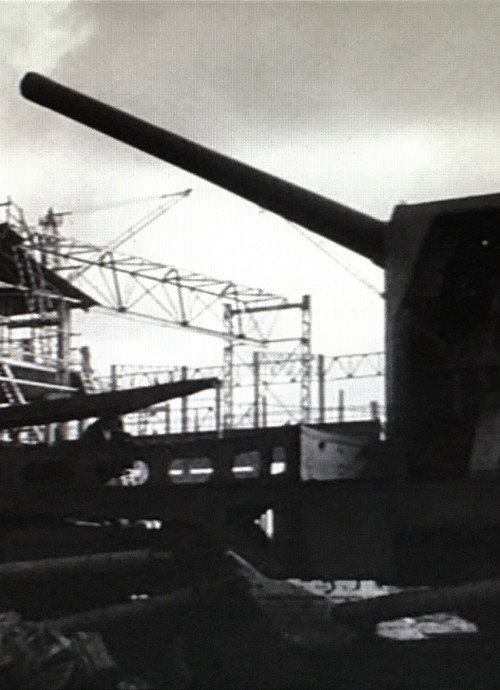
*The Worker* is the final piece of Latvian director Uldis Brauns' documentary trilogy, but it stands apart by focusing on the philosophical essence of labor rather than physical construction. The film uses the melting of a tank at a smelting plant as a visual metaphor for peace, suggesting how stability enables workers to dedicate themselves to building society.
Who directed The Worker?
Uldis Brauns directed *The Worker* in 1963, known for his evocative and socially conscious documentaries exploring Soviet-era life and human resilience.
Who stars in The Worker?
Cast details for *The Worker (1963)* are not publicly listed, reflecting its focus on industrial labor as the true 'character' of the film.
Is The Worker (1963) worth watching?
While *The Worker* is a short 10-minute film, its lyrical approach to labor and peace makes it a compelling watch for fans of wartime-era documentaries and Soviet cinema. Its abstract style may not appeal to everyone, but it offers a poignant snapshot of its time.
How long is The Worker?
*The Worker (1963)* runs for 10 minutes, a concise yet impactful exploration of labor and ideology.
About The Worker (1963) — A poetic 1963 documentary on labor, peace, and Soviet-era ideals
Latvian director Uldis Brauns closes his poetic documentary trilogy with *The Worker (1963)*, an evocative 10-minute short that shifts focus from physical construction sites to the symbolic spirit of labor itself. Instead of chronicling another building project, Brauns crafts an abstract meditation through stark industrial imagery—melted steel from an old tank becomes a haunting metaphor for peace, allowing workers to channel their energy into creation rather than conflict. The film's voice-over weaves Soviet-era ideals of duty and collective effort into a visual poem, blending the hum of machinery with philosophical reflection on humanity's role in progress.
Shot in the industrial heartlands of Latvia, *The Worker* captures the dignity of toil through striking contrasts: the raw power of smelting furnaces against the quiet determination of those shaping the future. Brauns' lens lingers on the workers' hands and faces, transforming their labor into something almost spiritual, a testament to how regimes and ideologies frame the meaning of work. This short but profound film leaves viewers contemplating the balance between sacrifice and purpose, all while immersing them in the gritty beauty of mid-century industrial life.