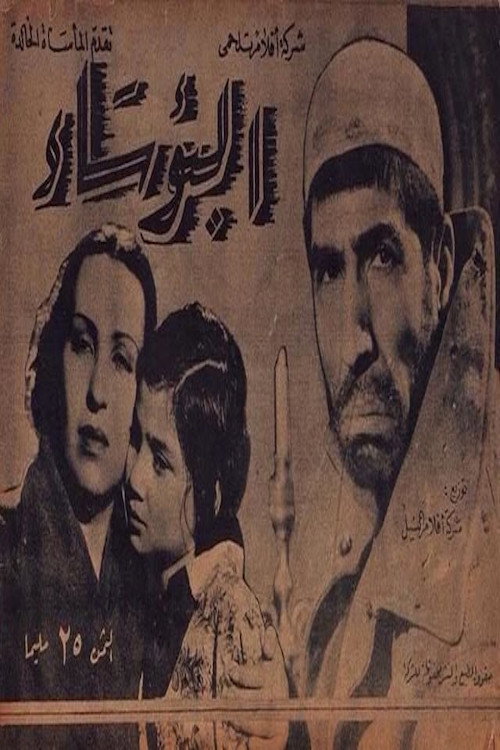
Les Misérables 1943
Cairo in the 1940s becomes the harsh stage for Kamal Selim's stirring adaptation of Victor Hugo's monumental tale. At its core is Jean Valjean, a man hunted decade after decade by the relentless Javert, whose rigid pursuit embodies a society that values law over mercy.
Director: Kamal Selim
Cast



Frequently Asked Questions
What is Les Misérables (1943) about?
Victor Hugo's epic tale of Jean Valjean is reimagined in wartime Cairo as a desperate chase between an ex-convict seeking redemption and a police inspector consumed by duty. The film explores how compassion and defiance collide in a society on the edge of change.
Who directed Les Misérables?
The film was directed by Kamal Selim, an Egyptian filmmaker whose work often blends social realism with deep moral curiosity.
Who stars in Les Misérables?
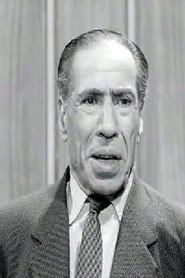
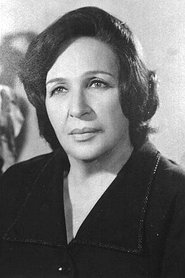
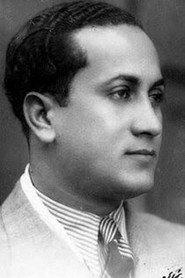
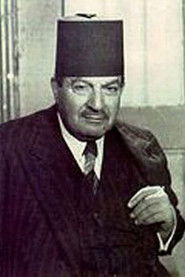
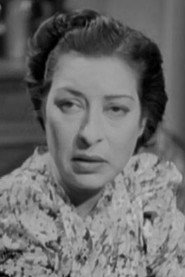
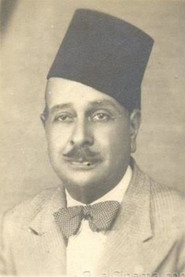
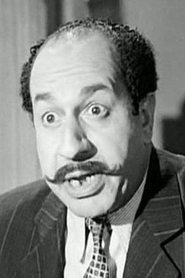
The cast features Abbas Fares as Jean Valjean and Serag Mounir as Inspector Javert, with Amina Rizk, Fakher Fakher, and Bishara Wakim rounding out the principal roles.
Is Les Misérables (1943) worth watching?
Despite its age, Selim's adaptation captures the raw emotional power of Hugo's novel with striking visuals and committed performances. Fans of classic drama and historical films will find its portrayal of justice and mercy both haunting and unforgettable.
How long is Les Misérables?
Les Misérables (1943) runs for 115 minutes, a compact yet intense journey through the heart of Cairo's underworld.
About Les Misérables (1943) — Cairo's gritty, soul-stirring retelling of Hugo's masterpiece
Cairo in the 1940s becomes the harsh stage for Kamal Selim's stirring adaptation of Victor Hugo's monumental tale. At its core is Jean Valjean, a man hunted decade after decade by the relentless Javert, whose rigid pursuit embodies a society that values law over mercy. The film unfolds like a moral storm—bleak alleyways, candlelit tenements, and soaring public squares all mirror Valjean's internal journey from convict to saint against a backdrop of social upheaval. Abbas Fares delivers a quietly volcanic performance as the tormented ex-prisoner, while Serag Mounir's Javert crackles with fanatical justice. Fleeting moments of tenderness between Amina Rizk and Fakher Fakher soften the film's unflinching gaze at inequality and sacrifice.
Les Misérables (1943) is less a costume epic than a psychological battlefield where every choice echoes across the decades. The camera lingers on downtrodden faces and crumbling architecture, turning the story's themes of redemption and revolution into a visual lament. Selim's direction keeps the narrative intimate, letting Hugo's thunderous themes resonate in the hushed corridors of Cairo's streets and the bustling markets where fate is decided on a whim.