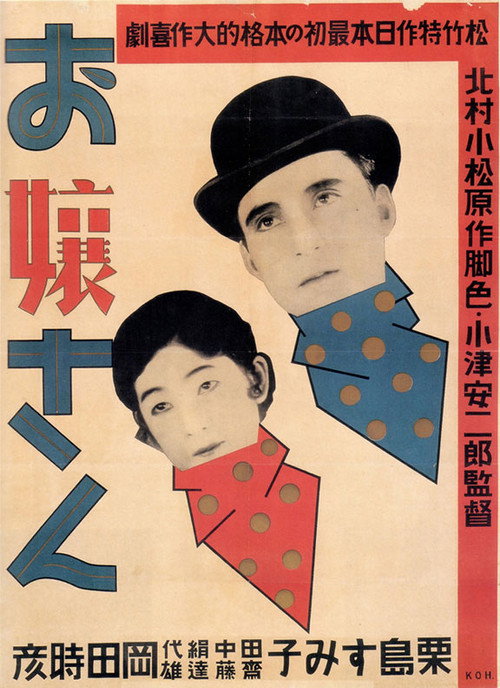
Young Lady 1930
Dive into *Young Lady* (1930), Yasujirō Ozu's early foray into comedy, where rivalry gives way to reluctant teamwork.
Director: Yasujirō Ozu
Cast
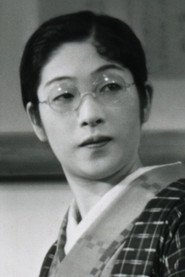
Sumiko Kurishima
Young Lady

Tokihiko Okada
Tokio Okamoto
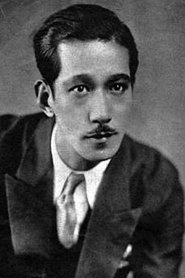
Tatsuo Saitō
Tatsuji Saitô
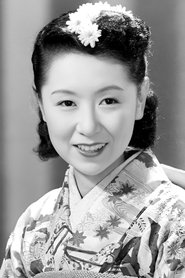
Kinuyo Tanaka
Kinuko
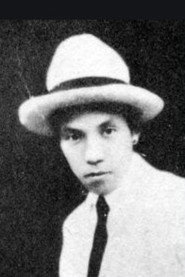
Sōtarō Okada
Social department head
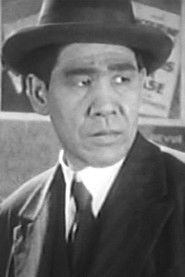
Togo Yamamoto
President of acting school
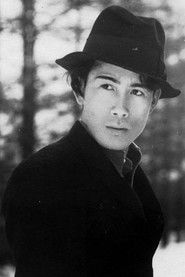
Shigeru Ogura
Instructor at acting school
Ikkō Ōkuni
Veteran reporter
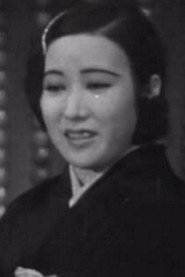
Shizue Tatsuta
Bad Madam

Teruo Môri
Handsome youth
Frequently Asked Questions
What is *Young Lady* (1930) about?
*Young Lady* follows two reporters who, tired of being beaten to stories by a relentless female journalist, decide to collaborate with her. Together, they investigate a clandestine club where wealthy individuals indulge in voyeurism. The film blends humor with social commentary, offering a snapshot of 1930s Japan's media landscape and class divides.
Who directed *Young Lady*?
*Young Lady* was directed by Yasujirō Ozu, the legendary Japanese filmmaker known for his understated yet profound storytelling in works like *Tokyo Story* and *I Was Born, But...*.
Who stars in *Young Lady*?
The film stars Sumiko Kurishima as the titular young lady, alongside Tokihiko Okada, Kinuyo Tanaka, and Tatsuo Saitō in pivotal roles.
Is *Young Lady* (1930) worth watching?
While *Young Lady* is considered a lost film, its reputation as an early Ozu comedy and its clever satire of media rivalry make it intriguing for fans of classic cinema. Comedy enthusiasts and Ozu admirers may find it worth exploring, despite its scarcity.
How long is *Young Lady*?
*Young Lady* has a runtime of 135 minutes, offering ample time for its lighthearted yet sharp narrative.
About Young Lady (1930) — Yasujirō Ozu's Witty Satire of Media Rivalry
Dive into *Young Lady* (1930), Yasujirō Ozu's early foray into comedy, where rivalry gives way to reluctant teamwork. When two cynical reporters find themselves consistently outpaced by a sharp-witted female journalist, they swallow their pride and join forces to uncover the secrets of an exclusive, voyeuristic club frequented by the elite. The film blends Ozu's signature observational humor with a playful critique of societal norms, capturing the chaotic energy of 1930s Tokyo with wit and charm.
Set against the backdrop of bustling urban life, *Young Lady* (1930) explores themes of ambition, gender dynamics, and the absurdity of power. The atmosphere is lighthearted yet layered, with Sumiko Kurishima's standout performance as the relentless journalist adding a spark of modernity to the era. Though long considered a lost film, Ozu's direction and the film's clever satire leave a lasting impression, making it a fascinating piece of cinema history for fans of classic comedies and early Japanese cinema alike.