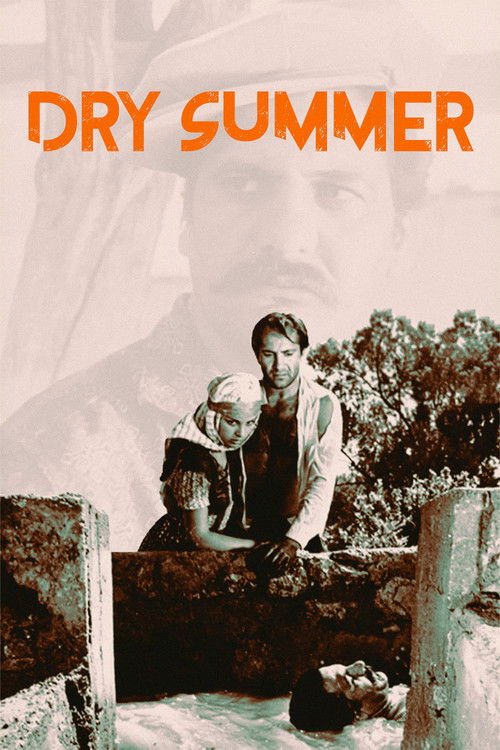
Dry Summer 1963
In Metin Erksan's gripping 1963 drama *Dry Summer*, a tobacco farmer's relentless pursuit of wealth leads him to sabotage his rivals by diverting the region's scarce water supply to his own parched fields.
Director: Metin Erksan
Cast





Frequently Asked Questions
What is Dry Summer (1963) about?
This 1963 drama follows a tobacco farmer who schemes to ruin his competitors by stealing their only water source, sparking a tense battle over justice and survival in rural Turkey. The film delves into the moral cost of greed as the protagonist's actions threaten to destroy an entire community.
Who directed Dry Summer?
Metin Erksan, a celebrated figure in Turkish cinema known for his socially conscious storytelling, directed *Dry Summer*. His work often explores themes of justice and human behavior under pressure.
Who stars in Dry Summer?
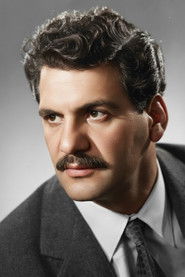
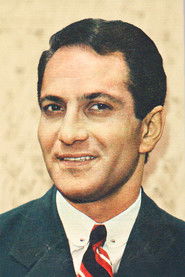
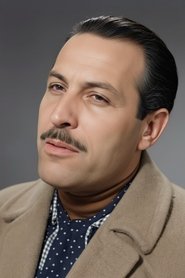
The film features Hülya Koçyiğit as the farmer's wife, Erol Taş as the determined antagonist, and Ulvi Doğan, Hakkı Haktan, and Yavuz Yalınkılıç in key supporting roles.
Is Dry Summer (1963) worth watching?
While unrated on IMDb, *Dry Summer* is praised for its gripping narrative and powerful performances. Its crime-drama framework and themes of moral decay make it compelling for fans of atmospheric, thought-provoking cinema.
How long is Dry Summer?
The runtime of *Dry Summer* is 90 minutes.
About Dry Summer (1963) — A Gritty Crime Drama of Greed and Survival in Rural Turkey
In Metin Erksan's gripping 1963 drama *Dry Summer*, a tobacco farmer's relentless pursuit of wealth leads him to sabotage his rivals by diverting the region's scarce water supply to his own parched fields. Set against the backdrop of a sun-baked landscape where survival hinges on every precious drop, this tense crime drama unfolds as a stark exploration of greed, desperation, and the moral decay that follows when ambition overrides empathy.
Hülya Koçyiğit delivers a standout performance as the farmer's conflicted wife, caught between loyalty and justice, while Erol Taş embodies the ruthless determination driving the conflict. With its unflinching portrayal of human frailty and environmental exploitation, *Dry Summer (1963)* remains a haunting reflection on the consequences of unchecked self-interest, making it a standout in Turkish cinema's golden age.