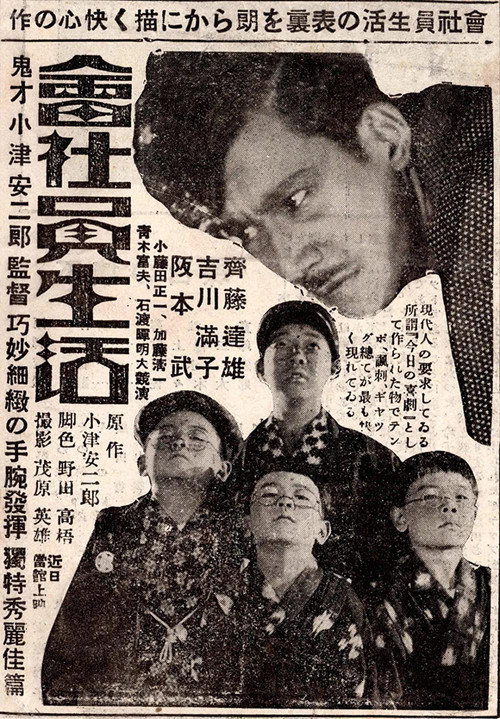
The Life of an Office Worker 1929
Yasujirō Ozu's *The Life of an Office Worker* (1929) is a poignant silent-era drama that follows Tsukamoto, a dedicated office worker who faces an unexpected crisis when he loses his job.
Director: Yasujirō Ozu
Cast
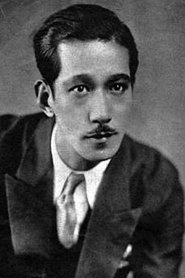
Tatsuo Saitō
Shintarô Tsukamoto

Mitsuko Yoshikawa
Fukuko Tsukamoto
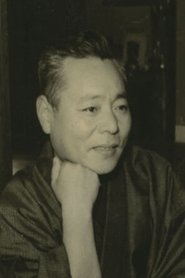
Takeshi Sakamoto
Friend
Shoichi Kofujita
First son
Seiichi Katô
Second son
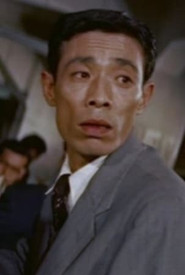
Tomio Aoki
Third son
Teruaki Ishiwatari
Fourth son
Frequently Asked Questions
What is The Life of an Office Worker (1929) about?
The film follows Tsukamoto, a loyal office worker who loses his job but can't bring himself to tell his wife. Instead, he seeks new opportunities while hiding the truth, painting a raw portrait of financial anxiety and personal sacrifice in 1920s Japan.
Who directed The Life of an Office Worker?
The film was directed by Yasujirō Ozu, the legendary Japanese filmmaker known for his subtle, deeply humanistic storytelling.
Who stars in The Life of an Office Worker?
The film stars Tatsuo Saitō as Tsukamoto, Mitsuko Yoshikawa as his wife, and Takeshi Sakamoto in a supporting role.
Is The Life of an Office Worker (1929) worth watching?
While it's a lost film, Ozu's early work is a fascinating glimpse into his evolving style. Fans of Japanese cinema or silent-era dramas will appreciate its emotional depth and historical significance, even if the final product is more of a curiosity than a must-see.
How long is The Life of an Office Worker?
The film has a runtime of 57 minutes.
About The Life of an Office Worker (1929) — Yasujirō Ozu's Early Take on Work and Resilience
Yasujirō Ozu's *The Life of an Office Worker* (1929) is a poignant silent-era drama that follows Tsukamoto, a dedicated office worker who faces an unexpected crisis when he loses his job. Instead of sharing the crushing news with his wife, he embarks on a desperate search for new employment, revealing the quiet desperation and societal pressures of early 20th-century Japan. Ozu's signature understated storytelling captures the tension between duty and personal crisis, creating an atmosphere of quiet resilience and subtle heartbreak. With its focus on everyday struggles and emotional restraint, the film stands as a testament to the resilience of ordinary people navigating an uncertain world.
Though now considered a lost film, *The Life of an Office Worker* offers a glimpse into Ozu's early directorial style and his ability to turn mundane situations into profound human dramas. The movie's themes of societal expectations and financial instability resonate just as strongly today, making it a fascinating watch for fans of Japanese cinema and silent-era storytelling alike.