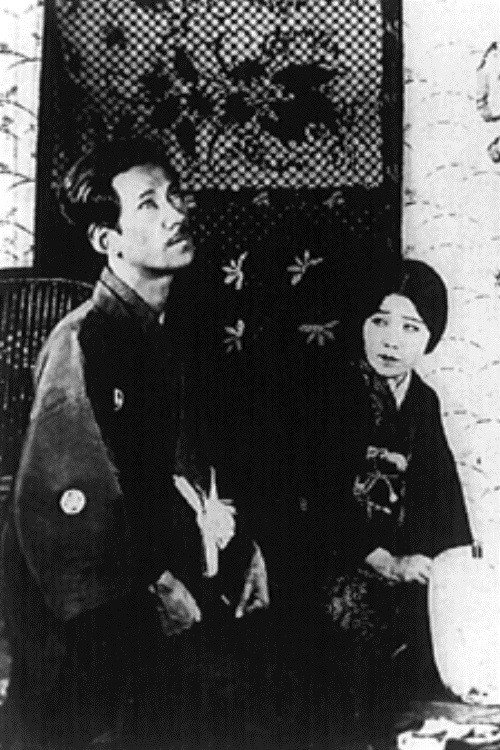
Physical Beauty 1928
Dive into Yasujirō Ozu's 1928 silent-era comedy *Physical Beauty* for a sharp, witty exploration of domesticity and creative rivalry. The film follows a meek, hen-pecked husband who doubles as his artist wife's model and reluctant house-husband.
Director: Yasujirō Ozu
Cast

Frequently Asked Questions
What is Physical Beauty (1928) about?
The film centers on a submissive husband who serves as both model and homemaker for his artist wife. When her patron humiliates him, he retaliates by attempting to become a painter himself, turning domestic frustrations into creative ambition. It's a clever, understated comedy about power, pride, and the unexpected ways life imitates art.
Who directed Physical Beauty?
Yasujirō Ozu, the legendary Japanese filmmaker known for his humanistic storytelling and subtle visual style, directed *Physical Beauty*.
Who stars in Physical Beauty?
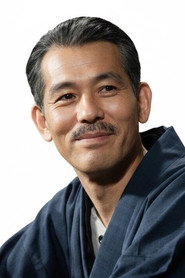
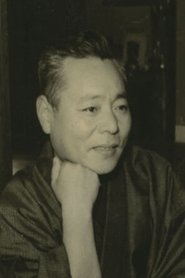
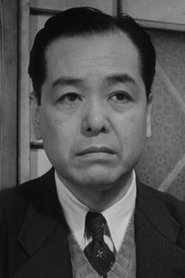
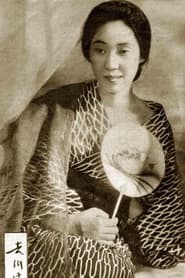
The film features a talented ensemble led by Tatsuo Saitō, Chōko Iida, Kenji Kimura, and supporting roles from Kenji Oyama, Chishū Ryū, and Takeshi Sakamoto.
Is Physical Beauty (1928) worth watching?
*Physical Beauty* is a charming, if obscure, entry in Ozu's early filmography that offers a glimpse into his evolving comedic touch. While its lost status limits its availability, its themes of domestic power struggles and artistic rivalry give it a timeless appeal. Fans of silent-era comedy or early Ozu will find plenty to appreciate in its lighthearted yet sharp narrative.
How long is Physical Beauty?
The runtime for *Physical Beauty* is 55 minutes.
Physical Beauty (1928): A Comic Twist on Marriage and Art — Full Movie Info
Dive into Yasujirō Ozu's 1928 silent-era comedy *Physical Beauty* for a sharp, witty exploration of domesticity and creative rivalry. The film follows a meek, hen-pecked husband who doubles as his artist wife's model and reluctant house-husband. When her wealthy patron crosses the line with unwanted flirtation and public humiliation, he decides to turn the tables—not with fists, but with a brush. Ozu crafts a lighthearted yet biting satire about gender roles, artistic ego, and the delicate balance of power in marriage, wrapped in the breezy charm of 1920s Japanese cinema.
Under Ozu's deceptively simple direction, *Physical Beauty* blends slapstick humor with subtle social commentary, capturing the tension between tradition and modernity. The story's playful premise—where a man trades his apron for a painter's smock—unfolds with a mix of gentle humor and surprising depth. Though the film is now considered lost, its themes of revenge, artistic ambition, and domestic life offer a fascinating glimpse into early Ozu's storytelling genius and the evolving dynamics of Japanese home life.