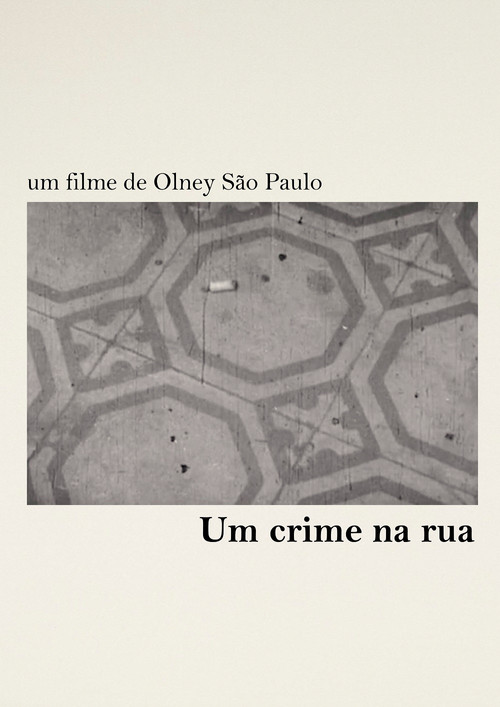
Um Crime na Rua 1955
Dive into the gritty world of early Brazilian cinema with *Um Crime na Rua* (1955), a compact but intense crime short directed by Olney São Paulo. This six-minute black-and-white film packs a punch, immersing viewers in the tense atmosphere of a 1950s urban crime drama.
Director: Olney São Paulo
Frequently Asked Questions
What is *Um Crime na Rua* (1955) about?
This short film follows a tense crime unfolding on a city street in the 1950s, focusing on the immediate aftermath and moral dilemma of a wrongdoer. The story unfolds through striking visuals and atmospheric tension, rather than lengthy dialogue.
Who directed *Um Crime na Rua*?
Olney São Paulo directed this concise yet impactful crime short.
Who stars in *Um Crime na Rua*?
Cast information for this 1955 short film is not available in public records.
Is *Um Crime na Rua* (1955) worth watching?
While brief, *Um Crime na Rua* stands out for its bold storytelling and atmospheric tension. Its unique approach to the crime genre and historical significance make it a compelling watch for silent film and Brazilian cinema enthusiasts.
How long is *Um Crime na Rua*?
*Um Crime na Rua* has a runtime of 6 minutes.
About Um Crime na Rua (1955) — Brazil's Early Crime Short Film That Packs a Punch
Dive into the gritty world of early Brazilian cinema with *Um Crime na Rua* (1955), a compact but intense crime short directed by Olney São Paulo. This six-minute black-and-white film packs a punch, immersing viewers in the tense atmosphere of a 1950s urban crime drama. The plot unfolds with minimal dialogue, relying on sharp visuals and moody lighting to convey the urgency of a crime unfolding on a city street. Themes of justice, moral ambiguity, and the fleeting nature of guilt weave through the narrative, leaving a lasting impression despite its brief runtime.
Shooting a crime thriller in under ten minutes was a bold choice, and *Um Crime na Rua* rises to the challenge with a stripped-down yet compelling approach. The director's keen eye for composition and pacing creates a sense of immediacy, as if the viewer is an unwitting witness to a moment of wrongdoing. The film's concise storytelling and atmospheric tension make it a fascinating time capsule of Brazilian cinema's golden era, offering a glimpse into the creative risks taken by filmmakers of the time.