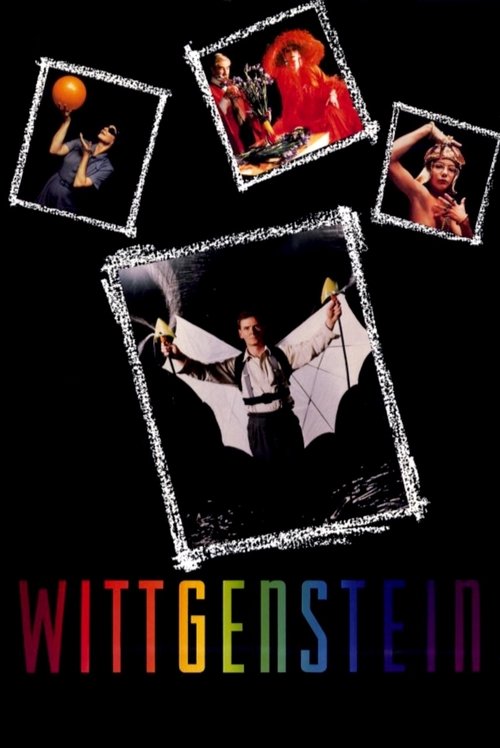
Wittgenstein 1993
"If people never did silly things nothing intelligent would ever get done."
Derek Jarman's Wittgenstein (1993) reimagines the life of the brilliant philosopher through a bold, theatrical lens, blending drama, history, and dark comedy.
Director: Derek Jarman
Cast






Frequently Asked Questions
What is Wittgenstein (1993) about?
Derek Jarman's Wittgenstein (1993) dramatizes the life of philosopher Ludwig Wittgenstein, tracing his evolution from a sheltered Viennese boy to a paradigm-shifting academic at Cambridge. The film uses stylized sketches to unpack his radical ideas on language and logic, framed by his turbulent personal journey through war and intellectual rivalry.
Who directed Wittgenstein?
Wittgenstein (1993) was directed by the acclaimed British filmmaker Derek Jarman, known for his bold visual style and provocative storytelling.
Who stars in Wittgenstein?
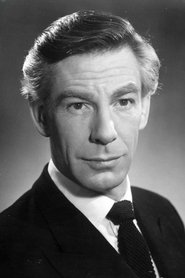
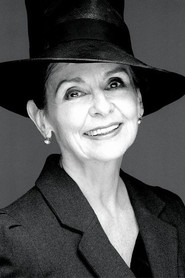
Clancy Chassay takes the lead as Ludwig Wittgenstein, supported by Karl Johnson as Bertrand Russell, Michael Gough, Tilda Swinton, and Kevin Collins in pivotal roles.
Is Wittgenstein (1993) worth watching?
Wittgenstein (1993) is a niche but fascinating watch for fans of intellectual dramas and experimental cinema. Jarman's unconventional approach makes it a rewarding experience for those interested in philosophy or biographical storytelling, even if it may not appeal to mainstream audiences.
How long is Wittgenstein?
Wittgenstein (1993) runs for 69 minutes, a concise runtime that packs dense philosophical exploration into a tight, punchy format.
🎥 Trailer
About Wittgenstein (1993) — Derek Jarman's Avant-Garde Biopic Explores a Genius's Life
Derek Jarman's Wittgenstein (1993) reimagines the life of the brilliant philosopher through a bold, theatrical lens, blending drama, history, and dark comedy. This unconventional biopic traces Ludwig Wittgenstein's journey from his aristocratic Viennese roots to his groundbreaking work at Cambridge, where his ideas about language and logic reshaped modern thought. Clancy Chassay stars as the young Wittgenstein, navigating a world of war, intellectual upheaval, and personal eccentricity, with Karl Johnson as Bertrand Russell and Tilda Swinton in a memorable supporting role. Jarman's avant-garde approach strips away traditional biography, instead using fragmented scenes to explore the mind behind the philosophy—making Wittgenstein (1993) as much about the man's obsessions as his intellectual legacy.
The film pulses with Jarman's signature visual flair, balancing intellectual rigor with absurdist humor. Wittgenstein's struggles with self-doubt, his battles with mental health, and his fractious relationships with peers like Keynes and Russell are portrayed with raw, almost confrontational honesty. It's a film that demands engagement, rewarding viewers who crave more than just a chronological account—offering instead a visceral, thought-provoking immersion into the life of one of history's most influential yet enigmatic thinkers.