Mosconi - Or To Whom the World Belongs 2008
In *Mosconi - Or To Whom the World Belongs* (2008), director Jeanine Meerapfel paints a stark portrait of a once-thriving Argentine town unraveling after privatization.
Director: Jeanine Meerapfel
Frequently Asked Questions
What is *Mosconi - Or To Whom the World Belongs* (2008) about?
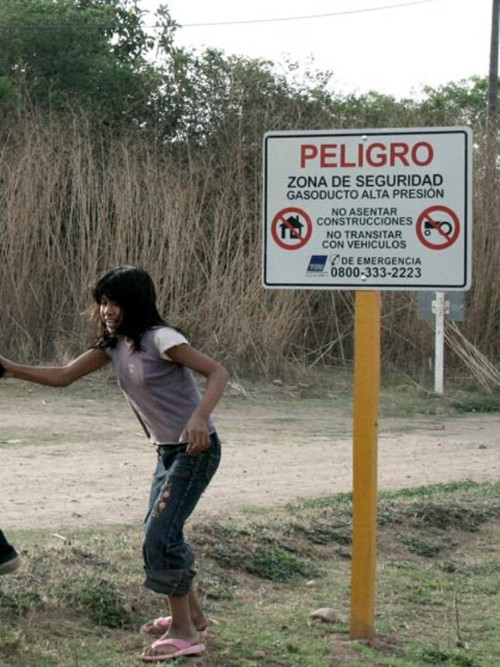
This gripping documentary examines General Mosconi, an Argentine oil-rich town that thrived under state-owned YPF until privatization in 1993 led to mass unemployment and infrastructure collapse. Through personal stories and stark imagery, the film explores the human toll of economic policies that prioritize profit over people.
Who directed *Mosconi - Or To Whom the World Belongs*?
The film was directed by Jeanine Meerapfel, an acclaimed filmmaker known for her documentaries that blend social commentary with intimate storytelling.
Who stars in *Mosconi - Or To Whom the World Belongs*?
Director information is not available.
Is *Mosconi - Or To Whom the World Belongs* (2008) worth watching?
Absolutely, if you appreciate documentaries that tackle real-world issues with depth and nuance. *Mosconi* offers a sobering look at privatization's consequences, backed by compelling storytelling and a runtime that keeps you engaged without overwhelming. It's a must-watch for fans of socio-political films.
How long is *Mosconi - Or To Whom the World Belongs*?
The film runs for 79 minutes.
About Mosconi - Or To Whom the World Belongs (2008) — How Privatization Destroyed a Town's Future
In *Mosconi - Or To Whom the World Belongs* (2008), director Jeanine Meerapfel paints a stark portrait of a once-thriving Argentine town unraveling after privatization. General Mosconi, a small community in northern Argentina famed for its oil and gas reserves, thrived under the state-owned YPF, which provided jobs, healthcare, and education. But when YPF was privatized in 1993, the region's prosperity vanished overnight, leaving unemployment at 70% and collapsing infrastructure in its wake. Through intimate interviews and evocative visuals, Meerapfel captures the human cost of economic upheaval, exploring themes of abandonment, political disillusionment, and the erosion of collective hope. The film transforms a documentary into a haunting reflection on power, loss, and the fragile bonds that hold communities together.
Set against the stark backdrop of a town stripped of its lifeblood, *Mosconi* blends political critique with deeply personal stories, revealing how economic policies ripple through everyday lives. Meerapfel's lens doesn't just document history—it interrogates who truly benefits from progress, leaving viewers to question the true cost of privatization and the silence that follows when a state retreats. The film is a gripping, thought-provoking watch for anyone drawn to documentaries that challenge conventional narratives.