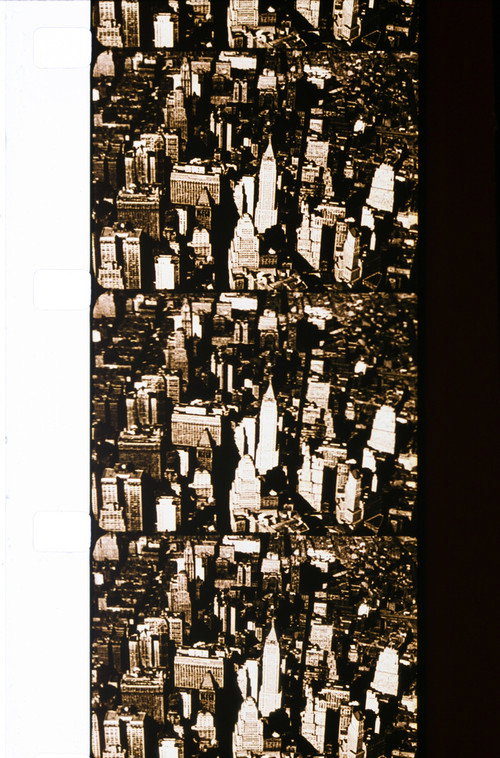
New York, Rome, Barcelona, Brussels 1960
Joseph Cornell's experimental short film "New York, Rome, Barcelona, Brussels (1960)" captures the essence of mid-century European and American urban life through a poetic montage.
Director: Joseph Cornell
Frequently Asked Questions
What is New York, Rome, Barcelona, Brussels (1960) about?
This short documentary by Joseph Cornell takes viewers on a visual tour of four legendary cities, blending their iconic landmarks with quieter, everyday moments. It's less about facts and more about the mood and atmosphere of urban life in the early 1960s.
Who directed New York, Rome, Barcelona, Brussels?
The film was directed by the avant-garde artist and filmmaker Joseph Cornell, known for his experimental and surrealist approach to cinema.
Who stars in New York, Rome, Barcelona, Brussels?
Director information is not available.
Is New York, Rome, Barcelona, Brussels (1960) worth watching?
While it's a short film with no rating, Cornell's work is celebrated for its artistic vision. If you enjoy experimental documentaries or mid-century travelogues, this seven-minute piece offers a unique glimpse into four world-famous cities.
How long is New York, Rome, Barcelona, Brussels?
The film runs for approximately 7 minutes.
About New York, Rome, Barcelona, Brussels (1960) — Discover Joseph Cornell's poetic seven-minute urban travelogue
Joseph Cornell's experimental short film "New York, Rome, Barcelona, Brussels (1960)" captures the essence of mid-century European and American urban life through a poetic montage. This seven-minute documentary glides through four iconic cities, blending their architectural marvels, bustling streets, and quiet corners into a single, dreamlike journey. Cornell's lens lingers on the contrasts between the grand plazas of Rome, the art-deco elegance of New York, the Mediterranean vibrancy of Barcelona, and the continental charm of Brussels, creating a visual symphony of movement and stillness. The film doesn't just showcase landmarks; it immerses viewers in the rhythm of daily life, from shadowy alleyways to sunlit boulevards, evoking a sense of wanderlust and nostalgia.
Eschewing conventional narrative, Cornell's work feels like a personal diary of exploration, where the camera becomes both traveler and translator. The grainy, monochromatic footage lends an air of timelessness, as if these scenes were plucked from a forgotten reel of history. While sparse in dialogue, the film speaks volumes through its framing and pacing, inviting audiences to read between the lines of urban existence. A hidden gem for fans of experimental cinema and travelogues, this 1960s short is a testament to Cornell's unique vision and the enduring allure of cities as living, breathing entities.