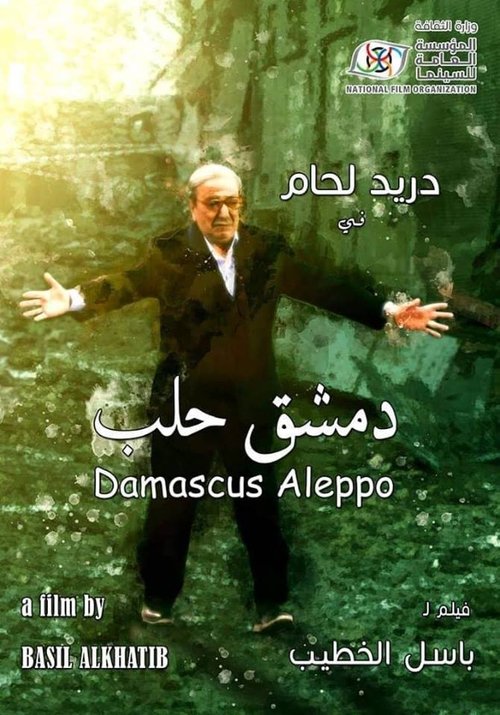
Damascus... Aleppo 2019
In the 2019 Syrian drama *Damascus... Aleppo*, director Basil Al-Khatib crafts a haunting portrait of survival amid war's relentless chaos.
Director: Basil Al-Khatib
Cast






Frequently Asked Questions
What is Damascus... Aleppo (2019) about?
The film follows a reclusive former broadcaster who isolates himself from Syria's civil war—until the news of his daughter trapped in Aleppo forces him to confront his emotional detachment. It's a raw exploration of coping mechanisms in the face of unimaginable loss.
Who directed Damascus... Aleppo?
Basil Al-Khatib directed *Damascus... Aleppo*, bringing a deeply personal perspective to the film's themes of war and resilience.
Who stars in Damascus... Aleppo?
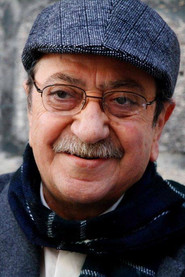
The cast features Duraid Lahham, Sabah Jazairi, Abdel Moneim Amayri, Kinda Hanna, and Alaa Kasem in pivotal roles.
Is Damascus... Aleppo (2019) worth watching?
While unrated, the film's emotional weight and authentic portrayal of Syria's conflict make it a compelling watch for fans of thought-provoking dramas. Its focus on human resilience elevates it beyond typical war narratives.
How long is Damascus... Aleppo?
The runtime of *Damascus... Aleppo* is 120 minutes.
About Damascus... Aleppo (2019) — A Father's Journey Through War's Unseen Scars
In the 2019 Syrian drama *Damascus... Aleppo*, director Basil Al-Khatib crafts a haunting portrait of survival amid war's relentless chaos. The story follows a once-prominent broadcaster who retreats into isolation to escape the devastation engulfing his country—until a desperate phone call shatters his solitude. When news breaks that his daughter is trapped in the besieged city of Aleppo, he's forced to confront the emotional walls he's built. The film delves into the fragile psychology of detachment as a shield against trauma, blending raw human emotion with the stark realities of conflict.
Through intimate performances by Duraid Lahham and Sabah Jazairi, *Damascus... Aleppo* (2019) captures the suffocating tension between personal despair and collective resilience. The atmospheric tension mirrors the fractures in Syrian society, where silence becomes both a refuge and a wound. Al-Khatib's direction lends a documentary-like urgency, grounding the narrative in the lived experience of those caught between home and exile.