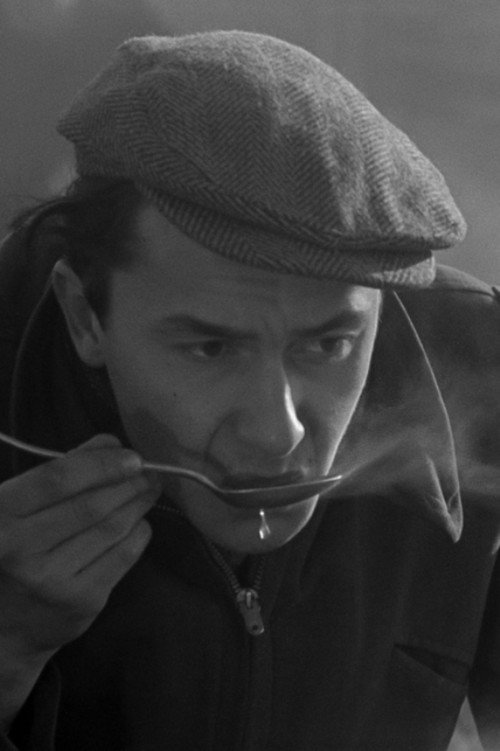
Place of Residence 1957
Step into the raw, unfiltered Poland of the 1950s with *Place of Residence (1957)*, a striking documentary by director Maksymilian Wroclawski.
Director: Maksymilian Wroclawski
Frequently Asked Questions
What is *Place of Residence* (1957) about?
*Place of Residence* follows the daily lives of Nowa Huta's laborers as they confront the harsh reality of inadequate housing in a city built on promises. The documentary exposes the gap between socialist ideals and the lived experiences of workers who found themselves in overcrowded, substandard accommodations. It's a snapshot of resilience in the face of systemic neglect.
Who directed *Place of Residence*?
The film was directed by Maksymilian Wroclawski, a filmmaker known for his socially conscious documentaries that highlighted the struggles of everyday people during post-war Poland.
Who stars in *Place of Residence*?
As a documentary, *Place of Residence* features real workers and residents of Nowa Huta rather than traditional actors. The film's true stars are the stories and faces of those living through the housing crisis.
Is *Place of Residence* (1957) worth watching?
*Place of Residence* may not boast a high IMDb rating due to its documentary style and historical focus, but it offers invaluable insight into Poland's post-war social landscape. Fans of raw, unfiltered documentaries or those interested in 1950s urban history will find it a fascinating and thought-provoking watch.
How long is *Place of Residence*?
*Place of Residence* runs for 16 minutes, making it a concise yet impactful short film that can be enjoyed in a single sitting.
About Place of Residence (1957) — A Raw Portrait of Post-War Housing Struggles
Step into the raw, unfiltered Poland of the 1950s with *Place of Residence (1957)*, a striking documentary by director Maksymilian Wroclawski. This short but powerful film shines a light on the stark housing realities faced by workers in Nowa Huta, a model socialist city that promised modernity but delivered cramped, makeshift living conditions. Through a lens both candid and unflinching, Wroclawski captures the grit and perseverance of everyday people navigating a system that often overlooked their basic needs. The atmosphere is somber yet human, blending social critique with a poignant portrayal of resilience during a time of post-war reconstruction.
As part of the era's 'black series' of documentaries, *Place of Residence* stands out for its unvarnished honesty, offering a window into a chapter of history rarely seen with such clarity. The film is less about glamour and more about the quiet struggles that defined life for many, making it a compelling watch for those interested in mid-century social history or the evolution of Polish urban life.