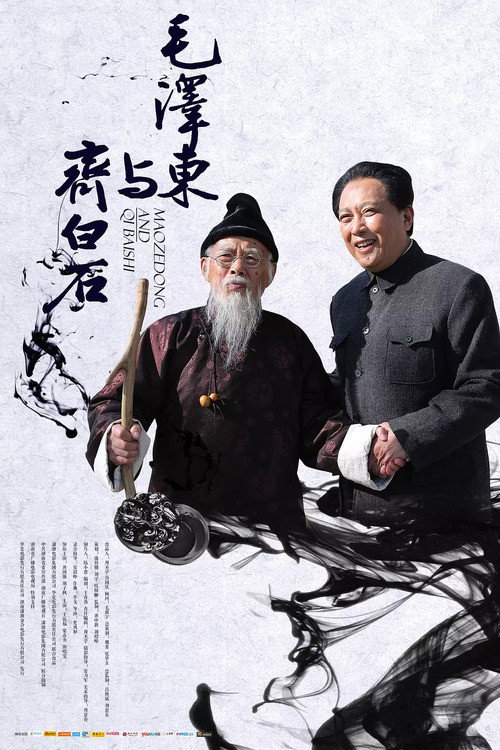
Mao Zedong and Qi Baishi 2013
Set against the dramatic backdrop of post-war China in 1949, *Mao Zedong and Qi Baishi (2013)* follows a pivotal moment when political and artistic worlds collide in Beijing's literary circles.
Director: Shi Fenghe
Cast
Frequently Asked Questions
What is Mao Zedong and Qi Baishi (2013) about?
The film captures a turning point in 1949 Beijing, where political maneuvering clashes with artistic integrity. As the Kuomintang withdraws, Communist leaders like Mao Zedong seek to influence the city's intellectuals, creating a tense standoff between ideology and self-preservation in the literary arts scene.
Who directed Mao Zedong and Qi Baishi?
The film was directed by Shi Fenghe, a filmmaker known for his historical dramas that blend political intrigue with human drama.
Who stars in Mao Zedong and Qi Baishi?
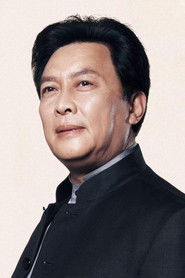
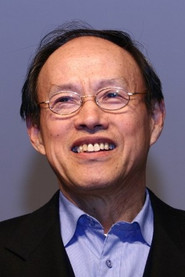
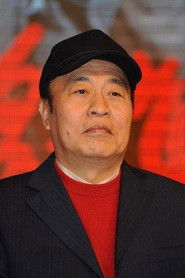
The cast includes Tang Guoqiang, Liu Zifeng, Wang Wufu, and Hou Changrong, who bring depth to the film's charged historical narrative.
Is Mao Zedong and Qi Baishi (2013) worth watching?
While the film isn't rated on IMDb, its historical scope and dramatic tension make it a compelling watch for fans of period dramas. Shi Fenghe's direction and the strong performances elevate its exploration of art and power, though it may appeal more to those interested in Chinese revolutionary history.
How long is Mao Zedong and Qi Baishi?
Runtime details are not listed.
About Mao Zedong and Qi Baishi (2013) — A dramatic snapshot of China's cultural revolution
Set against the dramatic backdrop of post-war China in 1949, *Mao Zedong and Qi Baishi (2013)* follows a pivotal moment when political and artistic worlds collide in Beijing's literary circles. Director Shi Fenghe crafts a tense atmosphere as the Communist Party, led by Mao Zedong from afar, makes strategic moves to secure the loyalty of intellectuals before the Kuomintang's retreat. The film zeroes in on cultural figures resisting pressure to abandon the city, blending political strategy with the personal stakes of artists caught between ideologies.
Against this charged historical tableau, the narrative explores loyalty, artistry, and the cost of revolution, painting a portrait of a society in flux. The performances by Tang Guoqiang and Liu Zifeng anchor the film, grounding its high-stakes drama in human emotion. With rich historical context and a director known for his nuanced storytelling, this film offers a unique lens on an era that reshaped China forever.