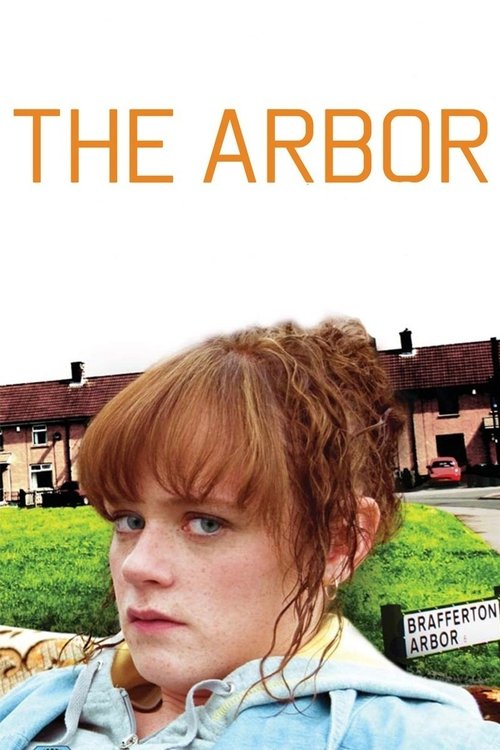
The Arbor 2010
"A Documentary Re-Invented"
The Arbor (2010) is a groundbreaking British drama-documentary that explores the intertwined lives of playwright Andrea Dunbar and her daughter Lorraine against the backdrop of their Bradford community.
Director: Clio Barnard
Cast










Frequently Asked Questions
What is The Arbor (2010) about?
The Arbor follows the story of playwright Andrea Dunbar and her daughter Lorraine, examining their lives in Bradford over three decades since Dunbar wrote her famous play as an 18-year-old. The film explores themes of family, community, and artistic legacy through innovative documentary-drama techniques.
Who directed The Arbor?
The film was directed by Clio Barnard, known for her innovative approach to British social realism and documentary filmmaking.
Who stars in The Arbor?
The main cast includes Christine Bottomley, Manjinder Virk, Natalie Gavin, George Costigan, and Monica Dolan in key roles.
Is The Arbor (2010) worth watching?
With its unique hybrid approach and powerful performances, The Arbor offers compelling viewing for fans of character-driven dramas and innovative filmmaking. The film's exploration of real-life themes resonates strongly.
How long is The Arbor?
The runtime is 91 minutes.
🎥 Trailer
About The Arbor (2010) — A Groundbreaking British Drama-Documentary Film
The Arbor (2010) is a groundbreaking British drama-documentary that explores the intertwined lives of playwright Andrea Dunbar and her daughter Lorraine against the backdrop of their Bradford community. Director Clio Barnard crafts a haunting portrait of working-class life, examining how art and trauma echo across generations. Through innovative storytelling techniques, the film blends documentary realism with dramatic reconstruction to illuminate the lasting impact of Dunbar's semi-autobiographical work.
This powerful 91-minute feature stars Christine Bottomley, Manjinder Virk, and Natalie Gavin in pivotal roles, supported by George Costigan and Monica Dolan. The atmospheric narrative delves into themes of family legacy, social struggle, and the transformative power of storytelling. Barnard's distinctive approach creates an intimate character study that feels both deeply personal and universally resonant, capturing the raw essence of Northern England's cultural landscape.