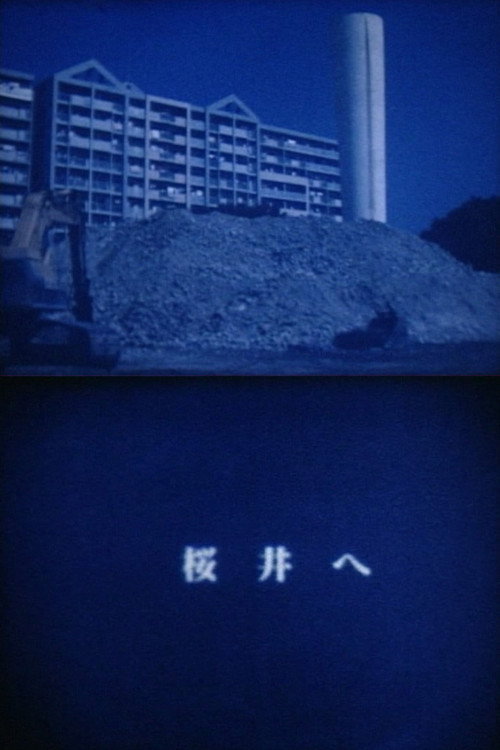
Dear Sakurai 1994
Crafted in 1994 by visionary director Yoshio Fukuma, *Dear Sakurai* is a fleeting yet evocative 3-minute cinematic experiment shot on 8mm film.
Director: Yoshio Fukuma
Frequently Asked Questions
What is Dear Sakurai (1994) about?
*Dear Sakurai* is a brief but impactful 8mm film from 1994 that prioritizes atmosphere and sound over narrative. It focuses on fleeting emotions and the idea of unspoken connections, leaving viewers to interpret its meaning rather than following a traditional storyline.
Who directed Dear Sakurai?
The film was directed by Yoshio Fukuma, a filmmaker known for pushing boundaries in experimental cinema during the 1990s.
Who stars in Dear Sakurai?
Cast details for *Dear Sakurai* are not publicly available, adding to its enigmatic appeal as a purely atmospheric short film.
Is Dear Sakurai (1994) worth watching?
While *Dear Sakurai* is a niche experimental film with no IMDb rating, its uniqueness and Fukuma's directorial vision make it intriguing for fans of avant-garde cinema. Its brevity and artistic approach may resonate more with those who appreciate short-form storytelling.
How long is Dear Sakurai?
The film has a runtime of 3 minutes.
About Dear Sakurai (1994) — Exploring a 3-Minute Experimental Masterpiece
Crafted in 1994 by visionary director Yoshio Fukuma, *Dear Sakurai* is a fleeting yet evocative 3-minute cinematic experiment shot on 8mm film. This avant-garde short piece immerses viewers in a soundscape-driven atmosphere, blending minimalist visuals with raw emotion to explore themes of memory, longing, and transient connections. The film's brief runtime belies its depth, offering a haunting snapshot of human relationships frozen in time.
Though shrouded in mystery due to limited documentation, *Dear Sakurai* stands as a testament to Fukuma's innovative storytelling techniques. The lack of a traditional plot is compensated by an immersive auditory experience, where each sound and image feels meticulously curated to evoke introspection. Its experimental nature invites audiences to interpret its meaning, making it a cult favorite among cinephiles who appreciate the artistry of short-form filmmaking.