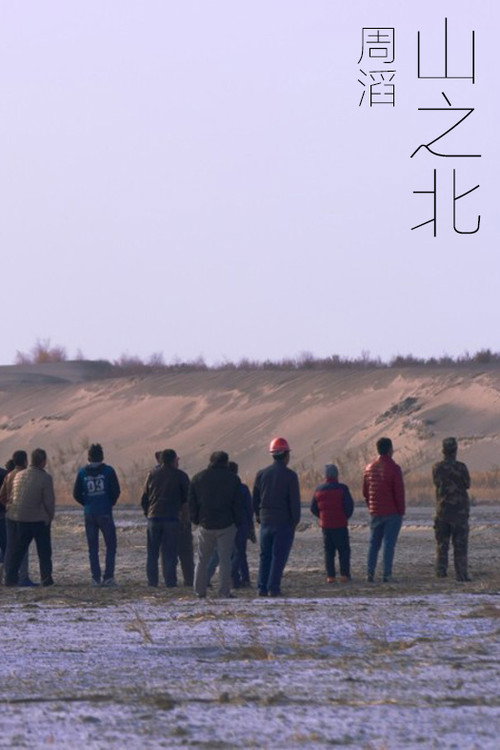
Osmosis 2019
Osmosis (2019) is a contemplative documentary that follows scattered villagers as they journey back to their ancestral homeland after nearly three decades of separation.
Director: Zhou Tao
Frequently Asked Questions
What is Osmosis (2019) about?
Osmosis follows villagers returning to their original settlement after 27 years, documenting their reconnection with ancestral lands through everyday rural activities like sheep herding and traditional tournaments.
Who directed Osmosis?
The documentary was directed by Zhou Tao, known for his contemplative approach to capturing rural Chinese life and human relationships with landscape.
Who stars in Osmosis?
The film features non-professional subjects—the actual villagers from remote communities in the Gobi region—rather than traditional actors.
Is Osmosis (2019) worth watching?
As an unrated documentary, Osmosis appeals to viewers interested in ethnographic cinema and slow-paced storytelling. Its meditative quality and stunning desert cinematography make it worthwhile for fans of contemplative films about human-nature relationships.
How long is Osmosis?
The documentary runs for 103 minutes.
About Osmosis (2019) — Desert Reunion Documentary Journey
Osmosis (2019) is a contemplative documentary that follows scattered villagers as they journey back to their ancestral homeland after nearly three decades of separation. Directed by Zhou Tao, this cinematic exploration traverses the vast Gobi Desert and mountainous terrain, where communities reunite to reclaim the green lands they once called home. The film captures intimate moments of rural life—shepherds guiding their flocks, horses galloping across open plains, and traditional dog-fighting tournaments—that blur the line between celebration and ritual sacrifice. Through stunning natural cinematography, Osmosis examines themes of belonging, displacement, and the cyclical nature of human settlement. The documentary's contemplative pace allows viewers to absorb the stark beauty of the landscape while reflecting on what it means to return to one's roots. As the villagers reconnect with their past, the film raises poignant questions about progress, tradition, and the price of reunion in an ever-changing world.
This meditative documentary offers a rare glimpse into remote Chinese rural life, where ancient customs persist alongside modern challenges. Zhou Tao's patient filmmaking style creates space for authentic moments to unfold naturally, whether it's the quiet routine of daily herding or the charged atmosphere of traditional competitions. The film's exploration of homecoming resonates beyond its specific cultural context, touching on universal themes of identity and place.