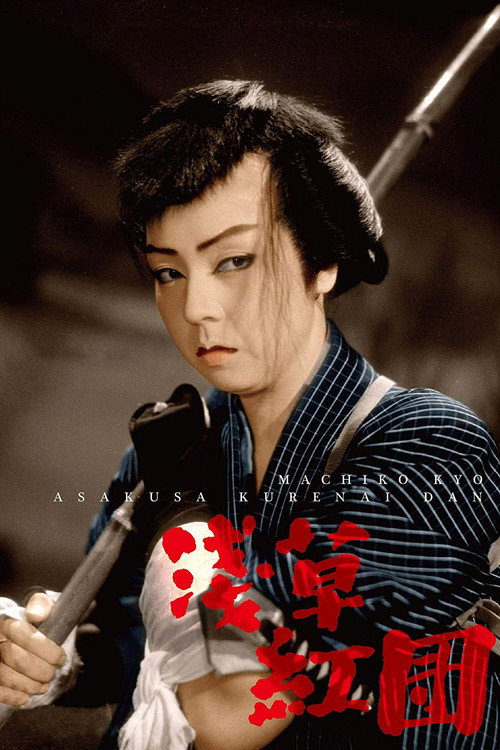
The Scarlet Gang of Asakusa 1952
Step into post-war Tokyo with *The Scarlet Gang of Asakusa (1952)*, a poignant drama directed by Seiji Hisamatsu that paints a vivid portrait of resilience and survival.
Director: Seiji Hisamatsu
Cast



Frequently Asked Questions
What is The Scarlet Gang of Asakusa (1952) about?
This drama follows a tight-knit group in Tokyo's Asakusa district as they face the harsh realities of life in post-war Japan. Their bonds are tested by poverty, social exclusion, and the struggle to hold onto dignity while rebuilding their lives.
Who directed The Scarlet Gang of Asakusa?
Seiji Hisamatsu directed the film, crafting a visually evocative and emotionally resonant story.
Who stars in The Scarlet Gang of Asakusa?
The film features Machiko Kyō, Reikichi Kawamura, Koji Kosugi, Ryūzaburō Mitsuoka, and Jun Negami in key roles.
Is The Scarlet Gang of Asakusa (1952) worth watching?
For lovers of classic drama, this film is a hidden gem. Its blend of historical depth, strong performances, and universal themes makes it a rewarding experience, even without an IMDb rating.
How long is The Scarlet Gang of Asakusa?
The runtime is 92 minutes.
About The Scarlet Gang of Asakusa (1952) — Post-War Drama of Struggle and Human Connection
Step into post-war Tokyo with *The Scarlet Gang of Asakusa (1952)*, a poignant drama directed by Seiji Hisamatsu that paints a vivid portrait of resilience and survival. Set against the gritty backdrop of 1950s Asakusa, the film immerses viewers in the struggles of a marginalized community as they navigate poverty and social upheaval. Through the eyes of its vivid characters—led by the magnetic Machiko Kyō—it explores themes of loyalty, redemption, and the quiet strength found in unlikely bonds. Hisamatsu's direction infuses the narrative with a raw, atmospheric quality, blending melancholy with moments of unexpected warmth. The film's tone is a delicate balance: somber yet hopeful, capturing the spirit of a city rebuilding itself while clinging to its humanity.
With its stark realism and emotional depth, *The Scarlet Gang of Asakusa (1952)* transcends its era, offering a timeless meditation on what it means to belong. The ensemble cast, including Reikichi Kawamura and Ryūzaburō Mitsuoka, delivers performances that feel both authentically lived-in and deeply moving. Whether you're drawn to its historical context or its universal themes of struggle and connection, this film remains a compelling watch for fans of classic drama.