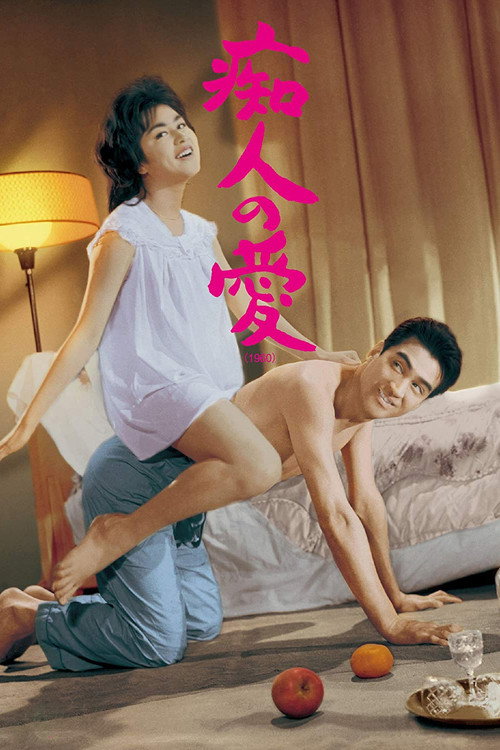
Fool's Love 1960
In the bustling streets of Tokyo's Ikebukuro district, a naive but sincere young man throws his heart—and all his savings—into winning the affection of a captivating stranger.
Director: Keigo Kimura
Cast


Frequently Asked Questions
What is Fool's Love (1960) about?
The film follows a kind-hearted but naive man who becomes infatuated with a mysterious woman he meets in Tokyo's Ikebukuro district. His misguided attempts to win her affection lead to a series of comedic and poignant mishaps.
Who directed Fool's Love?
Keigo Kimura directed *Fool's Love*, blending comedic and dramatic elements to create a uniquely poignant story.
Who stars in Fool's Love?
The film features Eiji Funakoshi as the lovestruck protagonist, alongside Junko Kano as his elusive love interest, with supporting roles from Jirō Tamiya and Keizō Kawasaki.
Is Fool's Love (1960) worth watching?
*Fool's Love* is a charming, underrated gem for fans of character-driven comedies and dramas. Its sincere performances and subtle humor make it a rewarding watch, especially for those who appreciate early Japanese cinema.
How long is Fool's Love?
The runtime of *Fool's Love* is 89 minutes.
Fool's Love (1960): A Comedy-Drama About Obsession — Full Movie Info
In the bustling streets of Tokyo's Ikebukuro district, a naive but sincere young man throws his heart—and all his savings—into winning the affection of a captivating stranger. Keigo Kimura's *Fool's Love (1960)* dives into the tender absurdity of obsession, blending sharp comedic timing with melancholic undertones. Eiji Funakoshi delivers a heartfelt performance as the lovestruck protagonist, while Junko Kano shines as the enigmatic object of his devotion. This slice-of-life gem explores the fine line between devotion and delusion, wrapped in the neon glow of post-war Japan's urban landscape.
A tragicomedy of errors unfolds as the protagonist's grand gestures backfire, exposing the fragility of human connection. With its modest runtime and intimate storytelling, *Fool's Love* captures the universal ache of unrequited love, all wrapped in the quiet charm of early Japanese cinema. The film's understated direction and naturalistic performances make it a hidden treasure for fans of character-driven dramas with a dash of humor.