
Engel und Puppe 1975
Dive into the hauntingly lyrical world of *Engel und Puppe (1975)*, the debut short film by pioneering Italian writer-director Ellis Donda.
Director: Ellis Donda
Cast
Frequently Asked Questions
What is Engel und Puppe (1975) about?
This 21-minute film explores political and existential themes through Rilke's *Duino Elegies*, blending poetic language with striking visuals. It follows a young actress navigating a world where art and ideology intertwine, questioning the role of the individual in society.
Who directed Engel und Puppe?
Ellis Donda, an Italian filmmaker and writer known for her innovative approach to cinema and literature.
Who stars in Engel und Puppe?
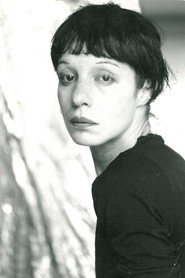
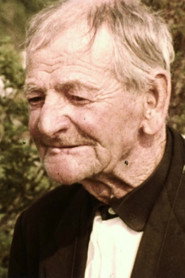
The film features French poet Jacqueline Risset and rising talent Rossella Or, alongside Ugo Sverzut in key roles.
Is Engel und Puppe (1975) worth watching?
While short in runtime, *Engel und Puppe* offers a rich, thought-provoking experience for fans of art films. Its poetic depth and experimental style make it a rare gem for cinephiles seeking something beyond conventional storytelling.
How long is Engel und Puppe?
The film runs for 21 minutes.
About Engel und Puppe (1975) — A Short Film Merging Poetry, Politics, and Experimental Cinema
Dive into the hauntingly lyrical world of *Engel und Puppe (1975)*, the debut short film by pioneering Italian writer-director Ellis Donda. Premiering at the Oberhausen Film Festival, this avant-garde drama weaves political intensity with poetic depth, drawing inspiration from Rilke's *Duino Elegies*. Starring French poet Jacqueline Risset and the rising Rossella Or—who would later become a celebrated avant-garde theater icon—the film blends existential themes with stark visual storytelling. Set against a backdrop of tension and introspection, it captures the fragile boundary between spirit and flesh, crafting an atmosphere that lingers long after the credits roll.
Produced in an era of cinematic experimentation, *Engel und Puppe* stands as a bold experiment in merging literature, politics, and performance. With its minimalist runtime and evocative use of Rilke's text, the film offers a meditative experience rather than a traditional narrative. The interplay between Or's striking presence and Risset's poetic delivery creates a unique cinematic tone—one that challenges viewers to reflect on identity, power, and the human condition. A rare artifact of 1970s European art cinema, it remains a compelling watch for fans of intellectual and visually striking filmmaking.