That's Gratitude 1934
In the 1934 screwball comedy That's Gratitude, theatre impresario Bob Grant stumbles into a debt of gratitude he'll repay in the most unexpected way.
Director: Frank Craven
Cast

Frequently Asked Questions
What is That's Gratitude (1934) about?
The film follows Bob Grant, a struggling producer who saves Thomas Maxwell's life and is taken in by his family. Outstaying his welcome leads him to take Maxwell's daughter Dora and turn her into a star—a roundabout way of repaying kindness with creative flair.
Who directed That's Gratitude?
Frank Craven, a versatile character actor and director known for blending humor and heart in classic Hollywood comedies.
Who stars in That's Gratitude?
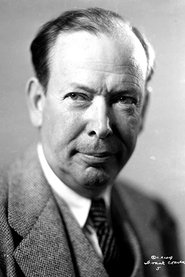
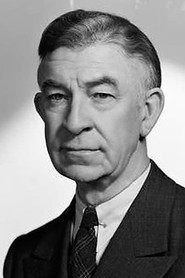
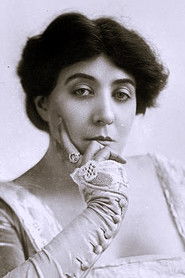
The film features Frank Craven, Arthur Byron, Mary Carlisle, John Buckler, and Helen Ware in key roles.
Is That's Gratitude (1934) worth watching?
For fans of pre-Code screwball comedies, That's Gratitude offers vintage charm, quick wit, and a clever plot twist. Though unrated, its 70-minute runtime makes it a breezy, entertaining pick for classic film lovers.
How long is That's Gratitude?
That's Gratitude runs for 70 minutes, making it a concise and engaging watch.
About That's Gratitude (1934) — A screwball comedy of favors, fame, and one man's revenge
In the 1934 screwball comedy That's Gratitude, theatre impresario Bob Grant stumbles into a debt of gratitude he'll repay in the most unexpected way. After accidentally saving small-town banker Thomas Maxwell from disaster, Grant is welcomed into the Maxwell home—only to overstay his welcome faster than a vaudeville act overruns its curtain call. Homeless and desperate, Grant turns tragedy into triumph by plucking Maxwell's shy, plainspoken daughter Dora from obscurity, transforming her into a dazzling Broadway sensation. What begins as a favor spirals into a dazzling act of creative revenge, where one man's kindness is repaid with a star-making spectacle.
With Frank Craven's sharp direction and a cast led by Arthur Byron and Mary Carlisle, That's Gratitude blends old-school charm with rapid-fire wit, painting a portrait of gratitude twisted into gold. Underneath the laughs lies a commentary on how favors—and grudges—can shape destinies, all wrapped in the polished sheen of 1930s Hollywood comedy.