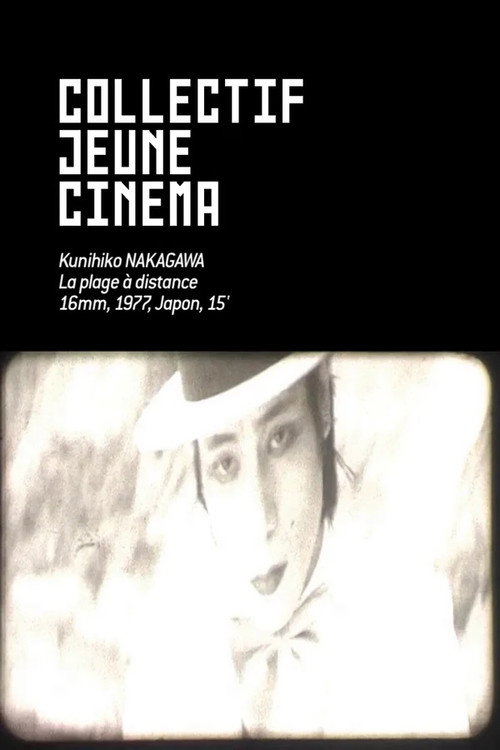
La Plage à distance 1977
Shot in 1977 by the underrated Japanese filmmaker Kunihiko Nakagawa, *La Plage à distance* is a delicate 15-minute reverie that lingers on the space between longing and arrival.
Director: Kunihiko Nakagawa
Frequently Asked Questions
What is La Plage à distance (1977) about?
*La Plage à distance* unfolds like a quiet diary entry, tracing a day by the sea where emotional distance mirrors physical separation. Without relying on plot, it captures the small rituals of longing—shared glances, unspoken words, and the weight of what goes unsaid between two people.
Who directed La Plage à distance?
*La Plage à distance* was crafted by Japanese director Kunihiko Nakagawa, a filmmaker known for his evocative, atmospheric style.
Who stars in La Plage à distance?
Cast details for *La Plage à distance* are not listed, adding to its enigmatic charm.
Is La Plage à distance (1977) worth watching?
At just 15 minutes, *La Plage à distance* offers a meditative escape rather than high-energy entertainment. If you appreciate slow cinema and thoughtful filmmaking, its gentle rhythm and visual poetry make it a rewarding, if brief, experience.
How long is La Plage à distance?
*La Plage à distance* runs for 15 minutes.
La Plage à distance (1977): A Poetic Short Film by Kunihiko Nakagawa — Full Info
Shot in 1977 by the underrated Japanese filmmaker Kunihiko Nakagawa, *La Plage à distance* is a delicate 15-minute reverie that lingers on the space between longing and arrival. Rather than plot, the film paints mood—sun-bleached shorelines, hushed conversations carried on ocean breezes, and fleeting glances that speak volumes without words. Nakagawa's lens lingers on textures—sand slipping through fingers, the rhythmic pulse of waves—to evoke the quiet ache of separation and the fragile hope of reunion. It's a slice-of-life vignette that feels intimate yet universal, where every frame hums with the tension of emotional distance.
Often described as a cinematic sketch, *La Plage à distance* sidesteps traditional narrative to become something closer to a sensory memory. The story unfolds without urgency, inviting viewers to inhabit the pauses between dialogue and action. The director's subtle use of natural light and muted color palettes casts a dreamy nostalgia over the proceedings, perfect for anyone who's ever felt both drawn to and held at bay by the horizon. Though brief, the film lingers like the afterglow of a sunset, leaving you with more to feel than to recall.