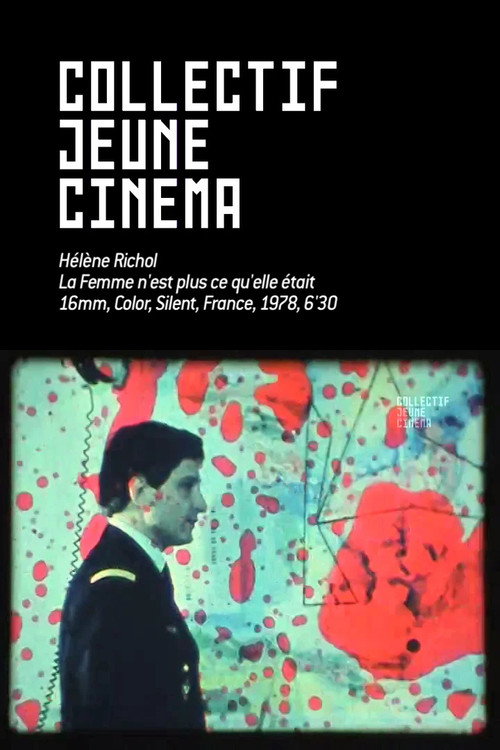
La Femme n’est plus ce qu’elle était 1978
Dive into the provocative and visually inventive world of *La Femme n'est plus ce qu'elle était* (1978), a daring short film directed by Hélène Richol.
Director: Hélène Richol
Frequently Asked Questions
What is La Femme n'est plus ce qu'elle était (1978) about?
This 1978 experimental short dissects feminist criticism through a collage of found footage and symbolic gestures, blending humor with sharp social commentary. Hélène Richol's film questions how women are represented on screen, using tactile and abrasive visuals to reflect the fragmented nature of identity.
Who directed La Femme n'est plus ce qu'elle était?
La Femme n'est plus ce qu'elle était (1978) was directed by Hélène Richol, a filmmaker known for her avant-garde and provocative approach to visual storytelling.
Who stars in La Femme n'est plus ce qu'elle était?
Cast details for *La Femme n'est plus ce qu'elle était* (1978) are not available.
Is La Femme n'est plus ce qu'elle était (1978) worth watching?
While it's a niche experimental short, *La Femme n'est plus ce qu'elle était* (1978) offers a bold and thought-provoking take on feminist themes. Its unique visual style and thematic depth make it compelling for fans of avant-garde cinema, even if it's not widely known.
How long is La Femme n'est plus ce qu'elle était?
La Femme n'est plus ce qu'elle était (1978) runs for 7 minutes.
About La Femme n'est plus ce qu'elle était (1978) — Experimental Short Film That Challenges Feminist Narratives
Dive into the provocative and visually inventive world of *La Femme n'est plus ce qu'elle était* (1978), a daring short film directed by Hélène Richol. This seven-minute experimental piece parodies feminist critiques through a collage of found footage, playful chisellings, and symbolic gestures that challenge perception. The film oscillates between delicate, finely etched details and bold, abrasive visuals—razor tears, acid stains, and even literal cuts to the filmstrip itself—while a bedsheet serves as an unconventional screen for a series of evocative, sometimes contradictory representations of womanhood. Richol's approach blends humor with sharp social commentary, creating a work that feels as unpredictable as it is thought-provoking.
At its core, *La Femme n'est plus ce qu'elle était* (1978) deconstructs the idea of static female identity, using raw, tactile methods to mirror the fragmented narratives women face. The film's experimental style invites viewers to question the very medium through which stories are told, leaving a lasting impression of the tension between control and chaos in artistic expression. With its razor-sharp wit and unflinching visual language, this short film remains a bold conversation starter for fans of avant-garde cinema and feminist art.