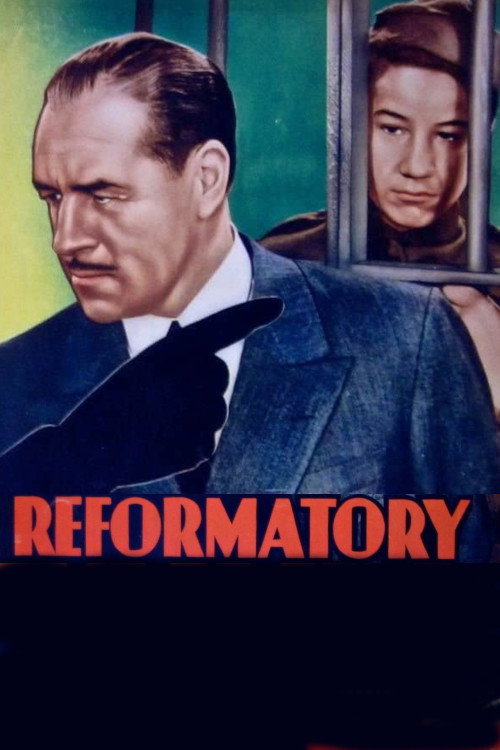
Reformatory 1938
"BLASTING THE LID OFF AMERICA'S REFORM SCHOOLS !"
Dive into the gritty world of juvenile justice with *Reformatory* (1938), a hard-hitting crime drama directed by Lewis D. Collins.
Director: Lewis D. Collins
Cast








Frequently Asked Questions
What is Reformatory (1938) about?
A new inmate arrives at a juvenile reformatory and sparks a rebellion by planning a mass breakout. The film explores the harsh conditions of the system and the fight for freedom amid high-stakes tension.
Who directed Reformatory?
Lewis D. Collins directed *Reformatory*, bringing a sharp eye for crime dramas to this socially conscious film.
Who stars in Reformatory?
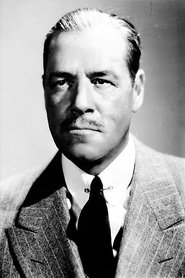
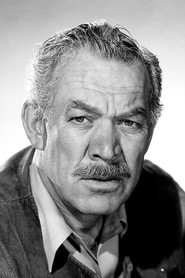
The film features Jack Holt and Bobby Jordan as the leads, supported by Charlotte Wynters, Grant Mitchell, Tommy Bupp, and Frankie Darro.
Is Reformatory (1938) worth watching?
While *Reformatory* isn't rated on IMDb, its crime drama roots and socially relevant themes make it a compelling watch for fans of the genre. The tight runtime and ensemble cast add to its appeal, offering both thrills and a slice of 1930s realism.
How long is Reformatory?
The film runs for 61 minutes, delivering a concise yet impactful viewing experience.
About Reformatory (1938) — The Gritty Prison Break Drama You Can't Miss
Dive into the gritty world of juvenile justice with *Reformatory* (1938), a hard-hitting crime drama directed by Lewis D. Collins. Set within the harsh confines of an American reform school, the film follows a new inmate who ignites a daring plan to orchestrate a mass escape, exposing the brutal realities of the system. With a tense atmosphere and a story rooted in rebellion, *Reformatory* tackles themes of oppression, resilience, and the fight for freedom. The ensemble cast, led by Jack Holt and Bobby Jordan, delivers raw performances that heighten the urgency and drama of this 61-minute thriller.
Lewis D. Collins crafts a compelling narrative that blends social commentary with the thrills of a prison break, making *Reformatory* a standout in the crime genre. The film's unflinching portrayal of juvenile detention resonates with audiences seeking both entertainment and a glimpse into the era's societal issues.