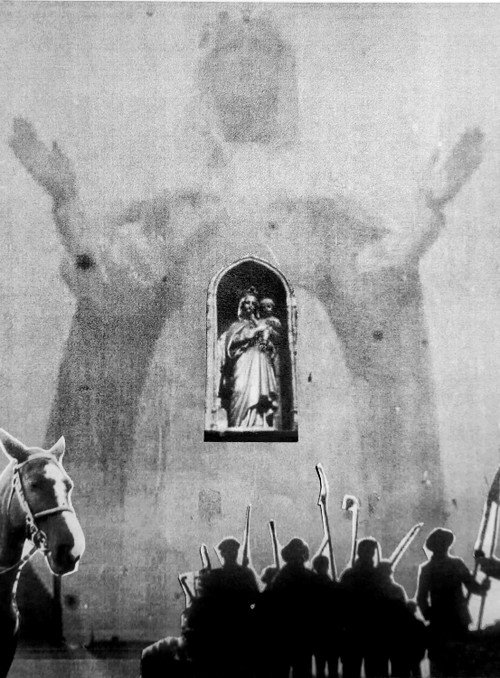
The Abbey of Tongerloo 1930
Step back to 1930 with *The Abbey of Tongerloo (1930)*, a rare Belgian documentary that quietly immerses viewers in the serene rhythm of monastic life.
Director: Carlo Queeckers
Frequently Asked Questions
What is The Abbey of Tongerloo (1930) about?
*The Abbey of Tongerloo (1930)* offers a window into the daily routines of monks at Tongerlo Abbey in Belgium, showcasing their rituals, labor, and quiet moments of prayer. The film blends observational documentary style with a meditative tone, presenting monastic life as both disciplined and deeply human.
Who directed The Abbey of Tongerloo?
The film was directed by Carlo Queeckers, a Belgian filmmaker whose work often focused on cultural and religious themes.
Who stars in The Abbey of Tongerloo?
Cast details for *The Abbey of Tongerloo* are not listed in available records, making it a documentary driven by real-life subjects rather than professional actors.
Is The Abbey of Tongerloo (1930) worth watching?
As a silent documentary from 1930, *The Abbey of Tongerloo* is a fascinating time capsule for film historians and those interested in religious studies. While it lacks modern pacing or narrative structure, its atmospheric portrayal of monastic life offers a unique, atmospheric experience—best appreciated as a cultural artifact rather than pure entertainment.
How long is The Abbey of Tongerloo?
The runtime for *The Abbey of Tongerloo (1930)* is 120 minutes, offering a substantial but contemplative viewing experience.
About The Abbey of Tongerloo (1930) — Silent documentary exploring life in Tongerlo Abbey's monastic community
Step back to 1930 with *The Abbey of Tongerloo (1930)*, a rare Belgian documentary that quietly immerses viewers in the serene rhythm of monastic life. Directed by Carlo Queeckers, this silent black-and-white film captures the monks of Tongerlo Abbey as they navigate their daily duties—prayer, labor, and reflection—within the walls of one of Belgium's most historic religious sites. Shot in stark, poetic contrast, the documentary transforms ordinary moments—whether tending fields or reciting psalms—into a meditative portrait of devotion and discipline. The absence of dialogue only deepens the sense of timelessness, inviting audiences to ponder the intersection of faith, tradition, and human endurance.
*The Abbey of Tongerloo (1930)* isn't just a historical record; it's a cinematic artifact that preserves the austerity and beauty of early 20th-century monastic existence. Queeckers' lens lingers on rituals both grand and understated, from communal worship to the quiet toil of agriculture, all unfolding against the backdrop of a world largely untouched by modernity. For fans of vintage filmmaking or those curious about the inner workings of religious communities, this silent-era gem offers an intimate, unfiltered glimpse into a way of life that feels both distant and eerily familiar.