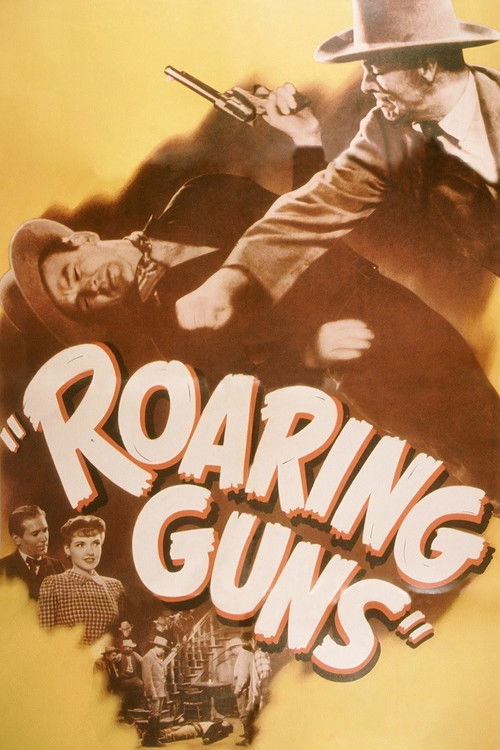
Roaring Guns 1944
In the rugged frontier setting of *Roaring Guns (1944)*, farmers stand their ground against miners whose reckless water-pressure mining techniques turn the land to mud, threatening their livelihoods.
Director: Jean Negulesco
Cast





Frequently Asked Questions
What is Roaring Guns (1944) about?
This short Western pits farmers against miners whose aggressive water-mining operations flood and ruin fertile farmland, sparking a tense standoff. Directed by Jean Negulesco, the film explores themes of community resistance and the clash between progress and preservation.
Who directed Roaring Guns?
Jean Negulesco, known for his work in both Westerns and dramas, directed *Roaring Guns* in 1944.
Who stars in Roaring Guns?
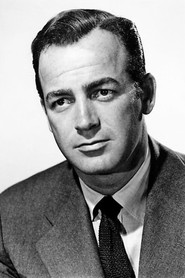
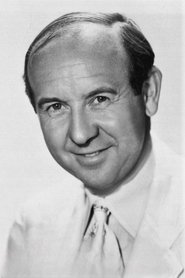
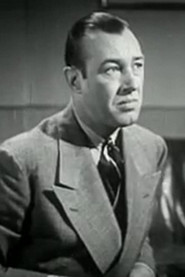
The film features Robert Shayne, Virginia Patton, and Mark Stevens in key roles, with supporting performances by Charles Arnt and Norman Willis.
Is Roaring Guns (1944) worth watching?
Though unrated, *Roaring Guns* offers a compelling glimpse into classic Western tensions, with a runtime that delivers maximum impact in minimal time. Fans of the genre will appreciate its tight storytelling and historical authenticity.
How long is Roaring Guns?
The film runs for 19 minutes, making it a quick but memorable classic Western.
About Roaring Guns (1944) — A Classic Western Battle Over Land and Legacy
In the rugged frontier setting of *Roaring Guns (1944)*, farmers stand their ground against miners whose reckless water-pressure mining techniques turn the land to mud, threatening their livelihoods. Directed by Jean Negulesco, this short but intense Western captures the raw tension of a community pushed to its limits, where survival hinges on standing firm against destruction. The clash of interests collides with dramatic flair, blending gritty realism with the unmistakable spirit of the Old West.
With a tight runtime of just 19 minutes, *Roaring Guns* delivers a concentrated dose of frontier justice, led by a cast including Robert Shayne, Virginia Patton, and Mark Stevens. The film's themes of resistance, environmental strain, and communal defiance resonate as strongly today as they did in 1944, offering a snapshot of a time when the land itself became a battleground.