Jan Výrava 1938
Jan Výrava (1938) transports viewers to a dramatic retelling of early 20th-century history through the lens of Vladimír Borský's visionary direction.
Director: Vladimír Borský
Cast
Frequently Asked Questions
What is Jan Výrava (1938) about?
Jan Výrava (1938) follows a compelling historical narrative set in the early 20th century, focusing on personal and societal struggles as characters navigate a turbulent era. The film captures the essence of resistance and adaptation, framed within a broader historical context.
Who directed Jan Výrava?
Jan Výrava was directed by Vladimír Borský, a filmmaker known for his contributions to historical and dramatic cinema.
Who stars in Jan Výrava?
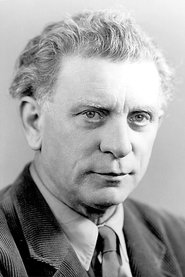
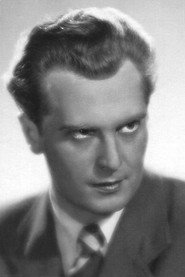
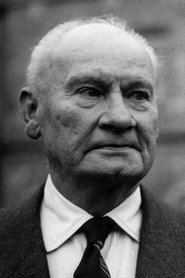
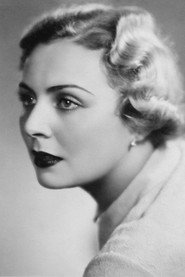
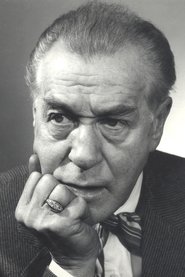
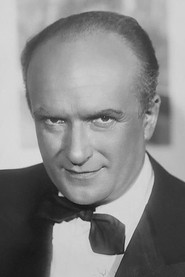
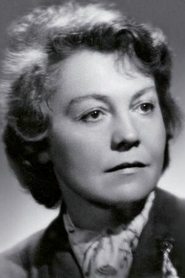
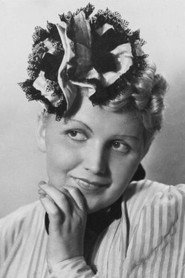
The film features Zdeněk Štěpánek, Stanislav Strnad, Ladislav Brom, Gustav Hilmar, and Helena Bušová as the principal cast members.
Is Jan Výrava (1938) worth watching?
As an unrated historical drama, Jan Výrava offers a glimpse into early 20th-century storytelling with strong performances and atmospheric direction. While not widely celebrated in modern rankings, its genre appeal and historical intrigue make it a compelling watch for enthusiasts of classic cinema.
How long is Jan Výrava?
Runtime details are not listed.
About Jan Výrava (1938) — A 1930s Historical Drama You Need to Discover
Jan Výrava (1938) transports viewers to a dramatic retelling of early 20th-century history through the lens of Vladimír Borský's visionary direction. Starring Zdeněk Štěpánek and Stanislav Strnad, this historical drama weaves a poignant narrative around Ladislav Brom and Gustav Hilmar, whose performances breathe life into a tale of struggle and resilience. The film's rich atmosphere, steeped in authenticity, invites audiences to experience the emotional weight of its era, blending political tension with personal triumphs.
Set against a backdrop of societal change, Jan Výrava captures the spirit of a nation in transition, where every character's journey reflects broader historical currents. Borský's direction infuses the story with a quiet intensity, while Helena Bušová and Eduard Kohout round out the ensemble with performances that linger long after the final scene. Ideal for fans of period dramas, this 1938 classic combines gripping storytelling with a timeless exploration of identity and legacy.