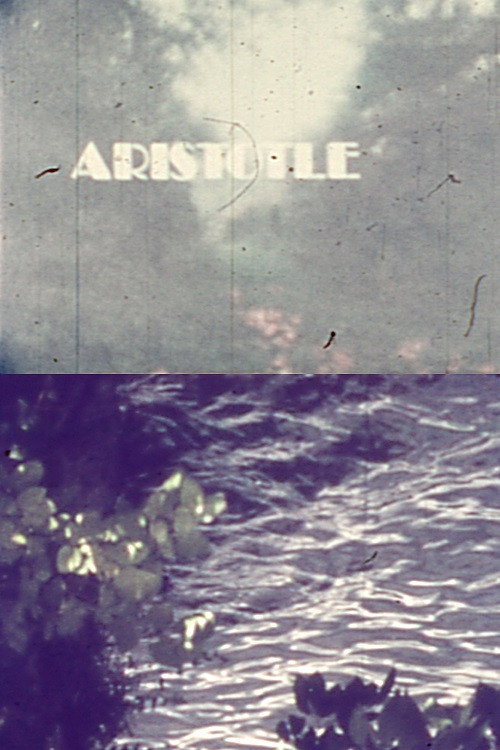
Aristotle 1965
Aristotle (1965), a short experimental film directed by Storm De Hirsch, transforms the gentle flow of a country stream into a mesmerizing visual symphony.
Director: Storm De Hirsch
Frequently Asked Questions
What is Aristotle (1965) about?
Aristotle is an abstract short film that captures the visual rhythms of a country stream, turning its gentle movements into a percussive, almost musical experience. The film transforms everyday nature into a meditative exploration of light, texture, and motion.
Who directed Aristotle?
Aristotle was directed by Storm De Hirsch, an experimental filmmaker known for her innovative visual style and contributions to avant-garde cinema in the 1960s.
Who stars in Aristotle?
Director information is not available.
Is Aristotle (1965) worth watching?
While Aristotle is a niche experimental short with no IMDb rating, its artistic vision and meditative quality make it appealing to fans of abstract cinema and visual poetry. Its brevity and originality are its greatest strengths.
How long is Aristotle?
Aristotle has a runtime of 4 minutes.
About Aristotle (1965) — A Poetic 4-Minute Celebration of Nature's Flow
Aristotle (1965), a short experimental film directed by Storm De Hirsch, transforms the gentle flow of a country stream into a mesmerizing visual symphony. Clocking in at just four minutes, this cinematic miniature distills nature's quiet rhythms into a percussive, almost hypnotic appreciation of texture and movement. The film invites viewers to pause and reconsider the everyday beauty of water carving through the landscape, its ripples and reflections unfolding like a spontaneous poem. De Hirsch's keen eye turns the mundane into the extraordinary, using light, motion, and editing to evoke a sense of meditative wonder.
With its abstract approach and focus on organic patterns, Aristotle is a standout in the Cine-Songs Program, a collection of experimental shorts that push the boundaries of conventional storytelling. Though concise, its impact lingers, offering a refreshing escape from narrative-driven cinema—perfect for fans of avant-garde art and those who appreciate the poetry of motion in film.