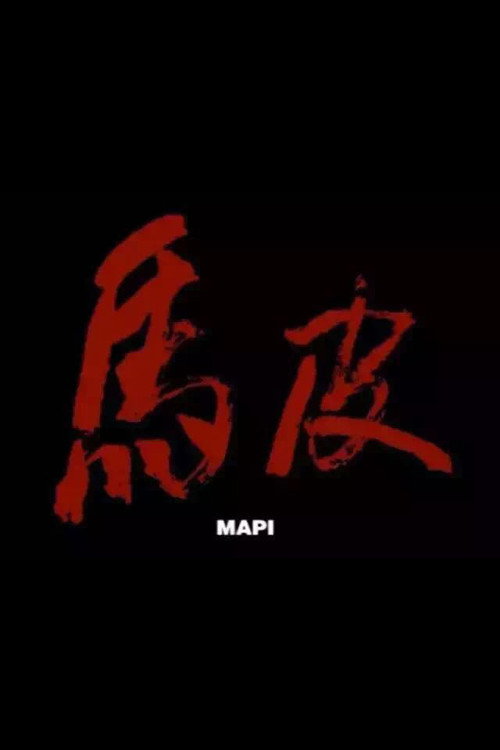
Mapi 2002
In the spring of 2002, the quiet Maoshan Town in Taizhou Shi becomes a battleground of local ambitions and Maoist nostalgia when villagers gear up for their annual temple fair.
Director: Xu Xin
Frequently Asked Questions
What is Mapi (2002) about?
*Mapi* follows the behind-the-scenes struggles of organizing an annual Maoist temple fair in rural China, where the event's leader battles technical mishaps, corruption, and internal sabotage. The documentary reveals the friction between tradition and modernity as personalities clash over control and credibility.
Who directed Mapi?
Director Xu Xin helms this observational documentary, using a fly-on-the-wall approach to expose the raw, unfiltered tensions in Maoshan Town.
Who stars in Mapi?
Cast details are not provided in the available information.
Is Mapi (2002) worth watching?
As a niche documentary with an unrated IMDb score, *Mapi* offers a unique glimpse into rural Chinese community dynamics rather than mainstream entertainment. Its observational style and thematic depth make it compelling for documentary enthusiasts, though casual viewers may find its pace deliberately slow.
How long is Mapi?
The film runs exactly 80 minutes.
About Mapi (2002) — A Documentary Portrait of Chinese Village Ambition and Chaos
In the spring of 2002, the quiet Maoshan Town in Taizhou Shi becomes a battleground of local ambitions and Maoist nostalgia when villagers gear up for their annual temple fair. Director Xu Xin's observational documentary *Mapi* immerses us in the chaos behind the scenes, where the festival's organizer, Jin Shifang, faces a perfect storm of logistical nightmares—wayward loudspeakers, corrupt officials, and infighting among helpers eager to expose his slightest misstep.
The film captures the tension between reverence and reality as bureaucracy and tradition collide, painting a vivid portrait of a community grappling with identity amid political symbolism. With a runtime just over an hour, *Mapi (2002)* delivers a sharp, intimate look at grassroots China, blending humor, frustration, and the unrelenting pressure of public expectations.