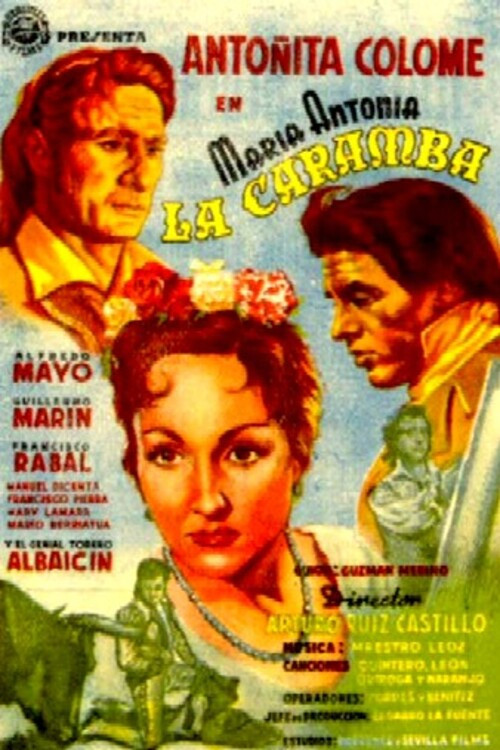
María Antonia "La Caramba" 1951
Step into the heart of mid-20th-century Spain with *María Antonia "La Caramba" (1951)*, a vibrant drama that pulses with music and raw emotion.
Director: Arturo Ruiz Castillo
Cast
Frequently Asked Questions
What is *María Antonia "La Caramba" (1951)* about?
This film follows the tumultuous life of its namesake, María Antonia, a spirited woman navigating love, loss, and societal constraints in post-war Spain. Her journey is marked by fiery determination and the haunting beauty of flamenco, as she challenges norms and seeks her place in a rigid world.
Who directed *María Antonia "La Caramba"*?
The film was directed by Arturo Ruiz Castillo, a filmmaker known for his ability to blend drama with authentic cultural storytelling in mid-century Spanish cinema.
Who stars in *María Antonia "La Caramba"*?
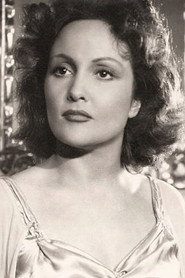
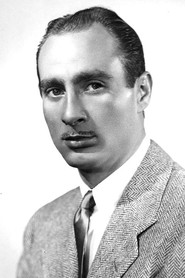
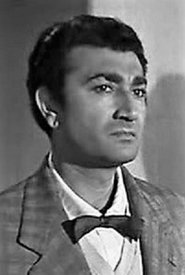
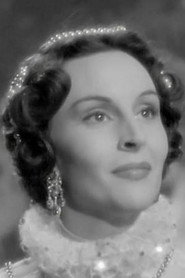
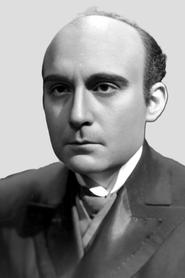
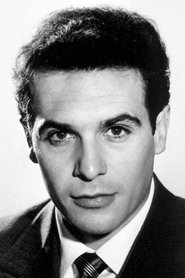
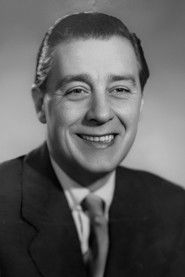
The film stars Antoñita Colomé as the titular character, alongside Alfredo Mayo, Rafael Albaicín, Mary Lamar, and Francisco Rabal in pivotal roles.
Is *María Antonia "La Caramba" (1951)* worth watching?
While it may not be widely rated today, *María Antonia "La Caramba" (1951)* offers a compelling mix of drama and music that appeals to fans of classic cinema and historical narratives. Its emotional depth and cultural richness make it a worthwhile watch for those who appreciate vintage storytelling.
How long is *María Antonia "La Caramba"*?
Runtime details are not listed for this film.
About María Antonia "La Caramba" (1951) — A Passionate Drama Infused with Music and History
Step into the heart of mid-20th-century Spain with *María Antonia "La Caramba" (1951)*, a vibrant drama that pulses with music and raw emotion. Directed by the skilled Arturo Ruiz Castillo, this film immerses viewers in the struggles and triumphs of its fiery protagonist, María Antonia, whose nickname "La Caramba"—a cry of passion and defiance—reflects her indomitable spirit. The story unfolds against a backdrop of traditional Spanish culture, where flamenco rhythms and dramatic confrontations blend seamlessly with the protagonist's personal journey. Antoñita Colomé takes center stage with a magnetic performance, embodying a character torn between societal expectations and her own fierce independence, while the supporting cast, including Alfredo Mayo and Francisco Rabal, adds depth and intensity to the narrative. With its rich blend of drama and music, this film captures a slice of history, offering a window into the era's social dynamics and the power of individual resilience.
At its core, *María Antonia "La Caramba" (1951)* explores themes of identity, rebellion, and the search for belonging, all wrapped in the electrifying energy of mid-century Spanish cinema. The film's atmosphere is charged with tension and heartache, but also with moments of joy and catharsis, as María Antonia fights to carve out her own path in a world determined to box her in. Ruiz Castillo's direction infuses every scene with authenticity, making the emotional highs and lows feel visceral and real. Whether you're drawn to classic dramas or the allure of historical storytelling, this film delivers a memorable experience that lingers long after the final note fades.