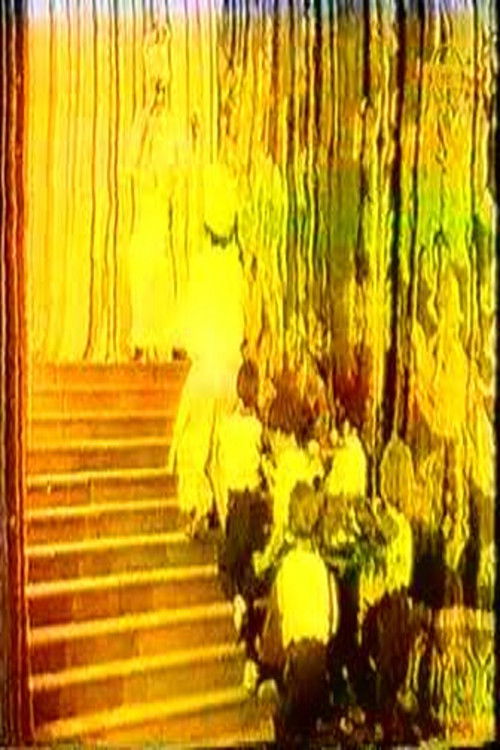
Sleeping Beauty 1917
Step into a world of silent-era enchantment with *Sleeping Beauty (1917)*, Paul Leni's captivating adaptation of the timeless fairy tale.
Director: Paul Leni
Cast
Frequently Asked Questions
What is Sleeping Beauty (1917) about?
*Sleeping Beauty (1917)* follows the classic tale of a princess cursed to sleep until awakened by true love's kiss. Directed by Paul Leni, the film blends gothic visuals with fairy-tale whimsy, exploring themes of fate, magic, and redemption.
Who directed Sleeping Beauty?
*Sleeping Beauty (1917)* was directed by Paul Leni, a visionary filmmaker known for his work in German expressionist cinema.
Who stars in Sleeping Beauty?
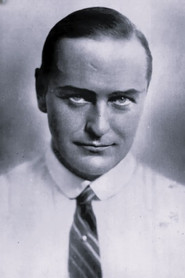
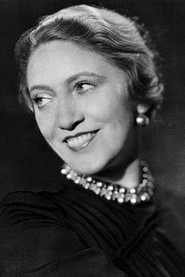
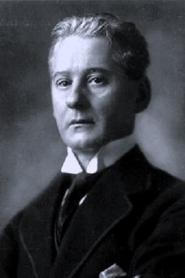
The film stars Mabel Kaul as the princess, alongside Harry Liedtke, Käthe Dorsch, Paul Biensfeldt, and Victor Janson in key roles.
Is Sleeping Beauty (1917) worth watching?
As an early silent fantasy film, *Sleeping Beauty (1917)* offers a unique glimpse into German expressionist cinema with its stunning visuals and storytelling. While dated by modern standards, its artistic merit makes it a fascinating watch for classic film enthusiasts.
How long is Sleeping Beauty?
*Sleeping Beauty (1917)* has a runtime of 61 minutes, making it a concise yet immersive experience.
About Sleeping Beauty (1917) — Paul Leni's Silent Fantasy Film Explored
Step into a world of silent-era enchantment with *Sleeping Beauty (1917)*, Paul Leni's captivating adaptation of the timeless fairy tale. This German fantasy film weaves a dreamlike atmosphere through its delicate visuals, transforming a classic story into a mesmerizing cinematic experience. The film follows the fate of a young princess, cursed to sleep until awakened by true love, while mystical forces and colorful characters—a mix of whimsy and danger—unfold around her. Leni's direction blends gothic undertones with fairy-tale charm, creating a visually rich tapestry that showcases the artistic potential of early cinema. Mabel Kaul shines as the ethereal princess, supported by a stellar cast including Harry Liedtke and Käthe Dorsch, whose performances anchor the story's emotional depth.
Set against a backdrop of ornate sets and atmospheric lighting, *Sleeping Beauty (1917)* is more than just a retelling—it's a testament to the power of silent storytelling. The film's themes of destiny, sacrifice, and the magical interplay between good and evil resonate even in its brief runtime. Though a century old, its visual storytelling remains a testament to the enduring appeal of fairy tales on film. A delightful watch for fans of classic cinema and fantasy alike, this silent gem offers a rare glimpse into the early days of German expressionist filmmaking.