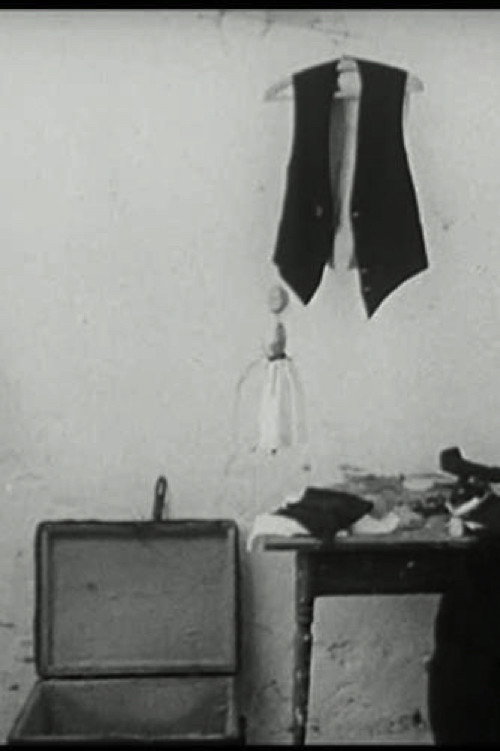
In Tuxedo 1965
Claes Söderquist's debut short film, *In Tuxedo* (1965), is a whimsical dive into avant-garde artistry and playful absurdity.
Director: Claes Söderquist
Cast
Frequently Asked Questions
What is In Tuxedo (1965) about?
This 11-minute Swedish short film follows an artist in a bare studio as they assemble a quirky sculpture from random objects, then dress in formal attire to paint the space in a burst of color. The scene evolves into a surreal, wordless performance where art and transformation collide.
Who directed In Tuxedo?
Claes Söderquist directed *In Tuxedo*, marking his feature-length debut with a bold step into experimental filmmaking.
Who stars in In Tuxedo?
The cast includes Arne Högsander, the artist at the center of this surreal experiment.
Is In Tuxedo (1965) worth watching?
While not widely rated, *In Tuxedo* offers a unique slice of 1960s avant-garde cinema. Its playful absurdism and minimalist charm make it a curious watch for fans of experimental short films, even if it's more a curiosity than a masterpiece.
How long is In Tuxedo?
*In Tuxedo* runs for 11 minutes.
About In Tuxedo (1965) — A 1960s Swedish short film brimming with artistic absurdity
Claes Söderquist's debut short film, *In Tuxedo* (1965), is a whimsical dive into avant-garde artistry and playful absurdity. Shot in a stripped-down studio, the film follows an artist as they transform the space into a surreal tableau, building a tree-like sculpture bedecked with paper clouds, puppets, and mysterious trinkets. As the room fills with unexpected objects—a suitcase, a mirror, a suit of formal wear—the artist dons a tuxedo and top hat, then plunges into a frenetic painting spree, splashing colors across the walls and clouds. The result is a hypnotic, dreamlike meditation on creation and transformation, where every object and brushstroke feels like part of a larger, unspoken narrative.
With its blend of improvisation and deadpan humor, *In Tuxedo* captures the essence of 1960s experimental cinema—minimalist, yet bursting with creativity. The film's understated charm lies in its ability to make the mundane feel magical, turning a simple studio into a stage for quiet chaos. Söderquist's direction leans into the absurd, creating an atmosphere that's both playful and introspective, leaving viewers to ponder the boundaries between art and reality.