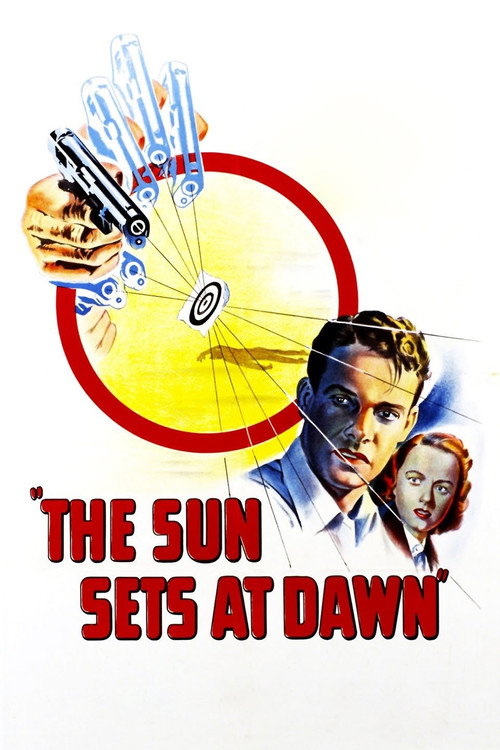
The Sun Sets at Dawn 1950
In *The Sun Sets at Dawn (1950)*, an intrepid reporter delves into the chilling case of a young man whose conviction for a serious crime has sent him hurtling toward the gallows.
Director: Paul Sloane
Cast
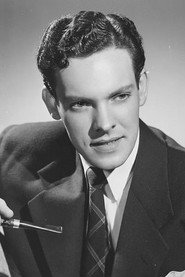
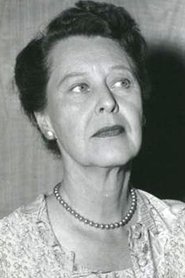
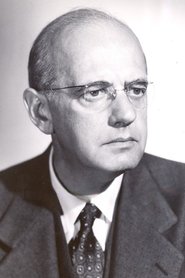
Frequently Asked Questions
What is *The Sun Sets at Dawn* (1950) about?
The film follows a determined reporter as he uncovers disturbing flaws in the case against a young man condemned to die. His investigation pulls back layers of deceit, raising the horrifying possibility that an innocent person is mere hours away from the electric chair.
Who directed *The Sun Sets at Dawn*?
Paul Sloane, an American director known for his work in crime and drama films during the 1940s and 1950s, helmed *The Sun Sets at Dawn*.
Who stars in *The Sun Sets at Dawn*?
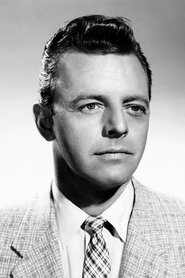
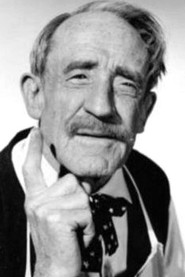
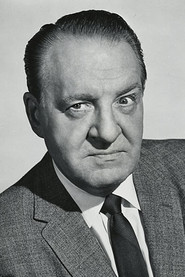
The film features Walter Reed, Lee Frederick, Houseley Stevenson, Howard St. John, and Sally Parr in pivotal roles.
Is *The Sun Sets at Dawn* (1950) worth watching?
While unrated on IMDb, *The Sun Sets at Dawn* offers a compelling crime drama built on tension and moral stakes. Its tight runtime and strong performances make it a worthwhile watch for fans of classic noir-style storytelling and justice-centered narratives.
How long is *The Sun Sets at Dawn*?
The Sun Sets at Dawn runs for 71 minutes, a concise and gripping runtime typical of mid-century crime dramas.
About The Sun Sets at Dawn (1950) — A reporter's quest to unravel a wrongful conviction before dawn breaks
In *The Sun Sets at Dawn (1950)*, an intrepid reporter delves into the chilling case of a young man whose conviction for a serious crime has sent him hurtling toward the gallows. Directed with taut precision by Paul Sloane, this crime-drama unfolds against a backdrop of moral ambiguity, where justice hangs in the balance and the truth feels just out of reach. Walter Reed and Lee Frederick anchor the cast, bringing gravitas and intensity to a story that questions the fragility of legal systems and the weight of irreversible sentences. The film crackles with tension, blending noir-like shadows with the stark realities of mid-century American justice, leaving audiences to ponder whether the sun will rise on redemption—or forever set on an innocent man's fate.
Crafted in the shadowy corridors of 1950s crime cinema, *The Sun Sets at Dawn* lingers like a half-remembered nightmare. Its themes—wrongful conviction, journalistic integrity, and the cost of institutional failure—resonate with a timeless urgency, making it a gripping watch for fans of slow-burn mysteries and character-driven dramas alike. The moody atmosphere and sharp performances elevate what could have been a straightforward procedural into a haunting meditation on guilt and the fight for truth in a system stacked against the vulnerable.