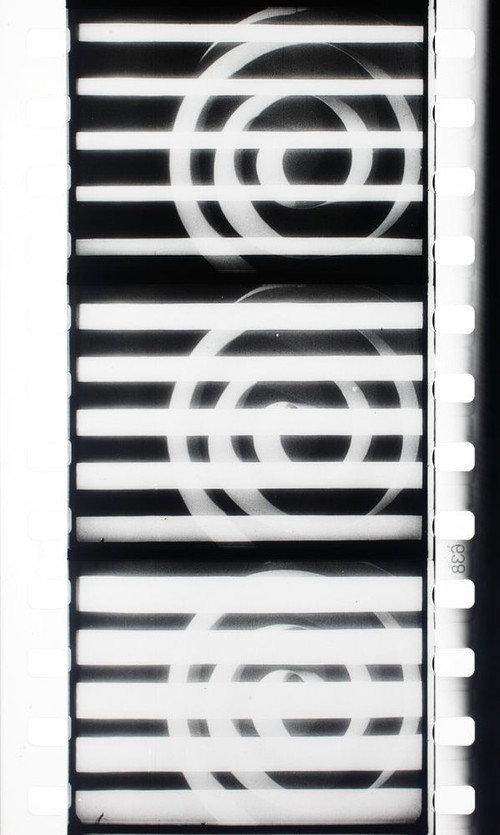
Prétexte 1928
A fleeting six-minute experimental gem from 1928, *Prétexte* showcases director Alfred Sandy's playful experimentation with silent-era storytelling.
Director: Alfred Sandy
Frequently Asked Questions
What is Prétexte (1928) about?
Alfred Sandy's *Prétexte* is a whimsical six-minute silent short that dances between reality and illusion, using expressive visuals to leave a lasting impression. Though plot details are scarce, the film's charm lies in its playful rhythm and unexpected twists—a snapshot of 1920s cinema at its most creative.
Who directed Prétexte?
Prétexte was directed by Alfred Sandy, a filmmaker who embraced experimental techniques during the silent era. While not as widely recognized as some contemporaries, his six-minute experiment stands as a testament to his innovative spirit.
Who stars in Prétexte?
Cast details for Prétexte remain unconfirmed, reflecting the film's status as a historical curiosity rather than a widely documented production.
Is Prétexte (1928) worth watching?
With a runtime under ten minutes and a playful, experimental edge, *Prétexte* is best suited for silent-film enthusiasts and those curious about early cinematic techniques. Its historical value outweighs narrative depth, making it a quick but intriguing watch for niche audiences.
How long is Prétexte?
Prétexte runs approximately 6 minutes, a brief but brisk experiment from the silent era.
About Prétexte (1928) — Alfred Sandy's Fleeting Six-Minute Silent Experiment
A fleeting six-minute experimental gem from 1928, *Prétexte* showcases director Alfred Sandy's playful experimentation with silent-era storytelling. Through evocative imagery and subtle gestures, Sandy crafts a whimsical miniature that lingers in the mind like a half-remembered dream. Shot in black-and-white, the film unfolds with an almost musical rhythm, weaving visual motifs that flirt with surrealism without ever losing its lighthearted charm. Though sparse on plot details, the short's playful subversion of expectations and its breezy 1920s style make it a fascinating footnote for fans of early cinema's boldest innovations.
Despite its brevity, *Prétexte (1928)* crackles with the restless energy of a director unafraid to toy with form. Themes of illusion and reality ripple beneath the surface, wrapped in a playful, almost mischievous tone that feels ahead of its time. Whether viewed as a curiosity or a forgotten experiment, Sandy's 1928 short remains a testament to silent-era cinema's ability to convey emotion and wit in just a handful of minutes. For cinephiles chasing hidden treasures, it's a tantalizing slice of history worth savoring frame by frame.