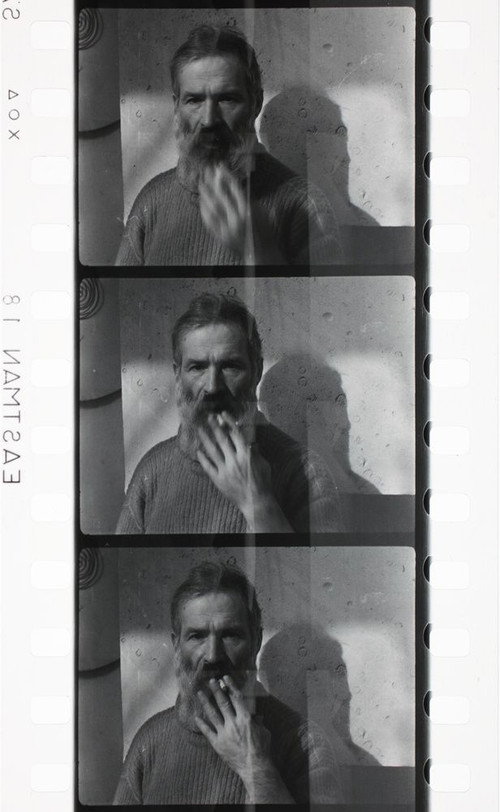
Les films de Brancusi 1939
Discover *Les films de Brancussi (1939)*, a rare 56-minute documentary capturing the artistic genius of Constantin Brâncuși through his singular lens.
Director: Constantin Brâncuși
Frequently Asked Questions
What is Les films de Brancusi (1939) about?
This documentary presents the only surviving footage shot by Constantin Brâncuși, capturing his creative world between 1923 and 1939. The 56-minute film offers an intimate look at his artistic process, blending sculptural forms with experimental cinema.
Who directed Les films de Brancusi?
Constantin Brâncuși, the legendary Romanian sculptor, directed this rare cinematic work alongside his artistic pursuits.
Who stars in Les films de Brancusi?
Director information is not available.
Is Les films de Brancusi (1939) worth watching?
As an unreleased 56-minute documentary from a pioneering artist, it holds immense value for art and film historians. Its rarity and aesthetic depth make it a must-see for those interested in avant-garde cinema and modern sculpture.
How long is Les films de Brancusi?
The runtime is 56 minutes.
About Les films de Brancusi (1939) — The Untold Cinematic Legacy of a Sculptural Genius
Discover *Les films de Brancussi (1939)*, a rare 56-minute documentary capturing the artistic genius of Constantin Brâncuși through his singular lens. Shot between 1923 and 1939, these fleeting 50 minutes represent the entirety of Brâncuși's cinematic output—a mesmerizing glimpse into the world of sculptural mastery. Directed by the visionary artist himself, this silent film immerses viewers in a world where light, form, and shadow dance in harmony. The meditative pacing and avant-garde aesthetic reveal Brâncuși's deep connection to his craft, offering an intimate look at his creative process. Though long overlooked, this work stands as a testament to his interdisciplinary brilliance, blending sculpture, photography, and cinema into a seamless whole.
Rare and unreleased for decades, *Les films de Brancussi (1939)* remains a hidden gem for art historians and film enthusiasts alike. The film's minimalist beauty and poetic rhythm invite reflection on the intersection of art and time. Preserved as a document of Brâncuși's experimental phase, it bridges the gap between static art and moving images, creating an experience that feels both timeless and profoundly modern.