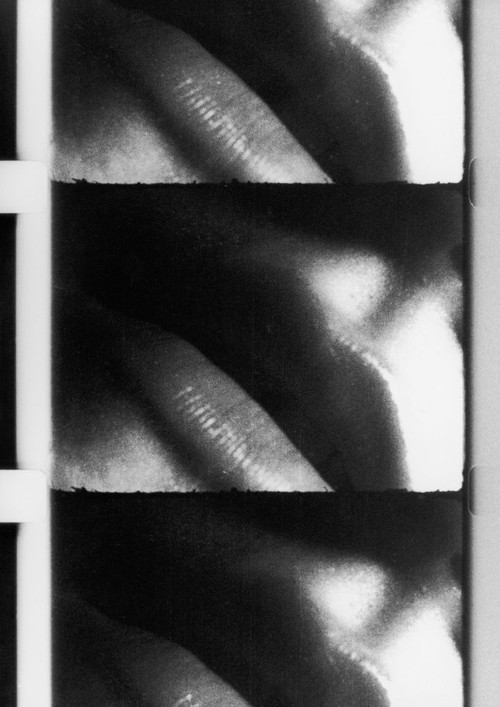
Aube 1951
"Aube (1951)" is a bold experimental short film that bridges the experimental cinema of the 1950s with the avant-garde movements of the following decade.
Director: Jean-Claude Sée
Frequently Asked Questions
What is Aube (1951) about?
This 20-minute experimental film by Jean-Claude Sée explores post-war Paris through a unique visual and auditory collage. It blends documentary realism with abstract imagery, creating a dreamlike portrait of urban life in transition. The film's experimental style reflects the broader shifts in cinematic language during the early 1950s.
Who directed Aube?
Aube was directed by French filmmaker Jean-Claude Sée, known for pushing the boundaries of documentary and experimental cinema in the mid-20th century.
Who stars in Aube?
Cast information for Aube (1951) is not available in public records.
Is Aube (1951) worth watching?
While Aube (1951) is a niche experimental film, its historical significance as a bridge between silent-era documentaries and 1960s avant-garde cinema makes it a compelling watch for enthusiasts of cinematic innovation. Its abstract nature may not appeal to all viewers, but its experimental spirit is undeniably influential.
How long is Aube?
Aube (1951) has a runtime of 20 minutes.
About Aube (1951) — Experimental Short Film Bridging Silent-Era and Avant-Garde Cinema
"Aube (1951)" is a bold experimental short film that bridges the experimental cinema of the 1950s with the avant-garde movements of the following decade. Directed by Jean-Claude Sée, this 20-minute documentary stands out as a transitional work, blending the urban symphonies of silent film era with the found footage techniques that would later define apocalyptic visual essays. The film captures the essence of post-war Paris through a hypnotic, almost meditative lens, weaving together images and sounds that evoke both nostalgia and foreboding. Its abstract approach and thematic depth make it a fascinating study in cinematic innovation, appealing to fans of pure cinema and essay films alike.
Part documentary, part artistic statement, "Aube (1951)" challenges conventional storytelling with its experimental structure. The film's atmosphere oscillates between serene and unsettling, reflecting the tension of a world on the brink of transformation. While rooted in 1950s visual language, its experimental spirit anticipates the radical filmmaking of the 1960s, offering a rare glimpse into the evolution of cinematic art.