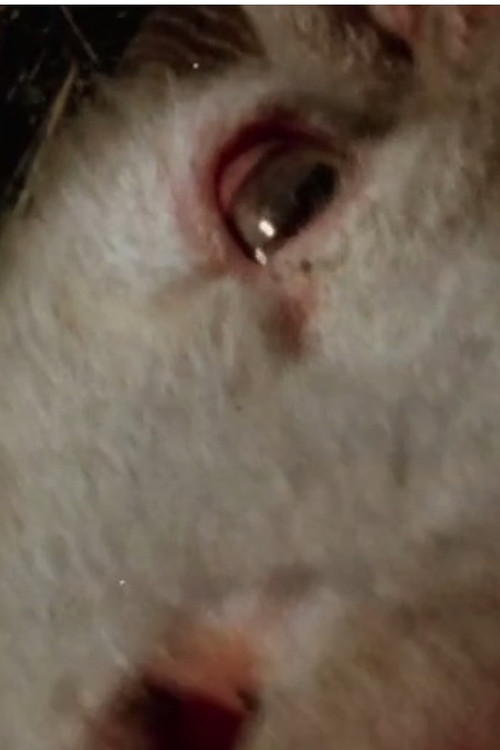
White Cassandra 1968
Pioneering experimental filmmaker Barbara Hammer's *White Cassandra (1968)* is a bold, avant-garde short that blends abstraction with raw visual poetry.
Director: Barbara Hammer
Frequently Asked Questions
What is White Cassandra (1968) about?
*White Cassandra* is a silent, four-minute experimental short that eschews traditional storytelling in favor of a visual meditation on identity and perception. Using Super 8mm film, Hammer crafts an abstract narrative through rhythm, color, and texture, inviting viewers to interpret its fleeting imagery. The film's minimalist approach contrasts sharply with mainstream cinema, prioritizing mood and atmosphere over plot.
Who directed White Cassandra?
The film was directed by Barbara Hammer, a trailblazing experimental filmmaker known for her innovative work in feminist and queer cinema.
Who stars in White Cassandra?
Cast details for *White Cassandra* are not publicly listed, as the film focuses on visual experimentation rather than performers.
Is White Cassandra (1968) worth watching?
While *White Cassandra* is a niche experimental short, its historical significance and artistic ambition make it compelling for fans of avant-garde cinema. Without an IMDb rating, its appeal hinges on personal taste—viewers who enjoy abstract, silent films will likely find it intriguing, though it may not resonate with those seeking conventional narratives.
How long is White Cassandra?
The runtime of *White Cassandra* is approximately 4 minutes.
About White Cassandra (1968) — A 4-Minute Experimental Masterpiece by Barbara Hammer
Pioneering experimental filmmaker Barbara Hammer's *White Cassandra (1968)* is a bold, avant-garde short that blends abstraction with raw visual poetry. Running just four minutes, this silent, color Super 8mm documentary unfolds in a striking 4:3 frame, stripped of sound yet rich in texture and symbolism. Hammer's signature style shines through in the deliberate, almost hypnotic pacing, transforming everyday imagery into a meditative reflection on identity, time, and perception. The film's enigmatic title and minimalist presentation invite viewers to project their own meaning onto its fleeting moments, creating an intimate yet expansive viewing experience.
Though deceptively brief, *White Cassandra* packs a punch by rejecting conventional narrative in favor of immersive sensory engagement. The grainy, tactile quality of the film stock lends a vintage warmth, while the absence of dialogue or score shifts focus entirely to the interplay of light, shadow, and movement. As an artifact of 1960s experimental cinema, it stands alongside other groundbreaking works of the era, offering a tantalizing glimpse into Hammer's early explorations of queer themes and feminist perspectives.
For cinephiles and art lovers, this short is a must-see—a concise yet powerful statement that lingers long after the final frame fades.