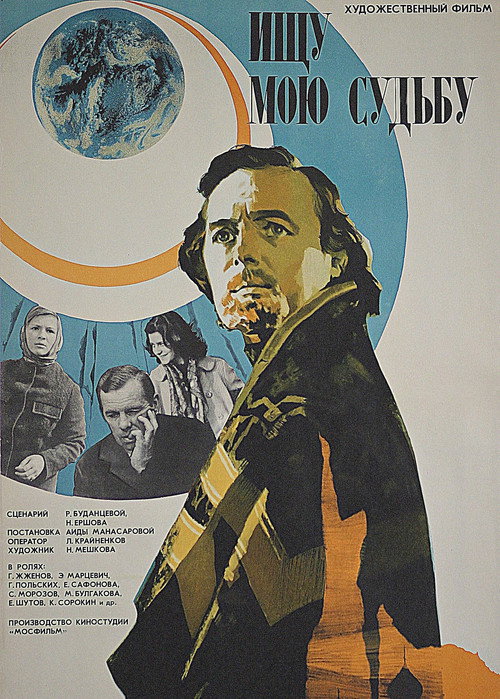
Looking for My Fate 1975
Aida Manasarova's *Looking for My Fate (1975)* weaves a haunting portrait of faith, heartbreak, and fate through the lives of three sisters bound by tragedy and tradition.
Director: Aida Manasarova
Cast






Frequently Asked Questions
What is *Looking for My Fate (1975)* about?
*Looking for My Fate* follows the lives of three sisters whose personal tragedies and relationships with faith and love intertwine in devastating ways. Vera's heartbreak leads to a monastery, while Nadezhda and Lyubov confront forbidden passions and moral conflicts, all set against the rigid backdrop of Soviet-era society.
Who directed *Looking for My Fate*?
*Looking for My Fate* was directed by Aida Manasarova, a filmmaker known for her emotionally resonant dramas set in historical and cultural contexts.
Who stars in *Looking for My Fate*?
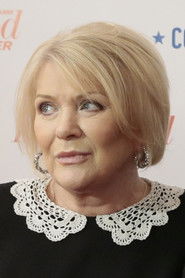
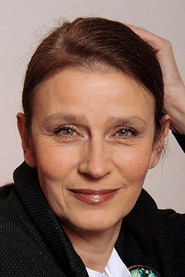
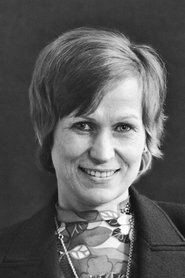
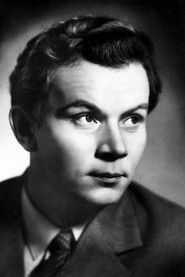
The film features Georgi Zhzhyonov, Eduard Martsevich, Galina Polskikh, Elena Safonova, and Semyon Morozov in key roles.
Is *Looking for My Fate (1975)* worth watching?
While it's a lesser-known Soviet drama, *Looking for My Fate* offers a compelling blend of emotional depth and atmospheric storytelling. Fans of character-driven films with historical undertones may find its themes of love and fate particularly moving.
How long is *Looking for My Fate*?
*Looking for My Fate* runs for 101 minutes.
About Looking for My Fate (1975) — A Soviet-era Drama of Love, Faith, and Tragedy
Aida Manasarova's *Looking for My Fate (1975)* weaves a haunting portrait of faith, heartbreak, and fate through the lives of three sisters bound by tragedy and tradition. Set against a backdrop of 20th-century Russia, the film follows Vera, whose descent into despair after a failed romance leads her to a monastery—only for her story to end in heart-wrenching loss. Meanwhile, Nadezhda and Lyubov navigate love, religion, and family secrets, their relationships strained by moral dilemmas and forbidden affections. Manasarova crafts a deeply atmospheric drama, blending melancholy with quiet intensity, where every glance and whispered prayer feels charged with destiny. The film's emotional depth lingers long after the final frame, making it a poignant exploration of resilience and redemption.
Grounded in Soviet-era realism, *Looking for My Fate* stands out for its unflinching portrayal of women grappling with societal expectations and personal desires. The sisters' intertwined fates—each shaped by love, loss, and the weight of tradition—create a narrative that is as tragic as it is poetic. With its stark visuals and layered themes, the movie invites viewers to reflect on the choices that define us and the invisible threads of fate that guide our steps.