Saga 1968
Jean-François Bory's *Saga (1968)* is a daring cinematic experiment that strips language down to its raw, visual core.
Director: Jean-François Bory
Frequently Asked Questions
What is Saga (1968) about?
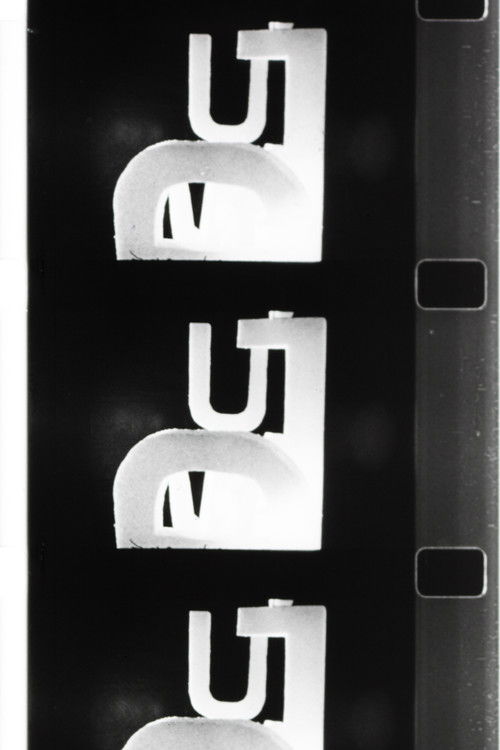
*Saga (1968)* is a short experimental film that explores the visual and spatial dimensions of language, reducing words to three-dimensional forms that move and interact in abstract ways. It's less a story and more a study of how typography can transcend its usual role to become a dynamic, almost sculptural element.
Who directed Saga?
The film was directed by Jean-François Bory, a pioneer of experimental cinema known for his innovative approach to visual storytelling and linguistic experimentation.
Who stars in Saga?
Cast details for *Saga (1968)* are not publicly available, as the film prioritizes abstract visuals over traditional performances.
Is Saga (1968) worth watching?
If you're a fan of avant-garde or experimental cinema, *Saga (1968)* offers a unique and thought-provoking experience in under 10 minutes. Its abstract nature may not appeal to everyone, but its bold artistic vision makes it a standout in Bory's filmography.
How long is Saga?
The runtime of *Saga (1968)* is approximately 9 minutes.
About Saga (1968) — A Radical Experiment in 3D Typography and Cinematic Abstraction
Jean-François Bory's *Saga (1968)* is a daring cinematic experiment that strips language down to its raw, visual core. This nine-minute short film abandons conventional storytelling to explore the spatial and dynamic potential of three-dimensional text, creating an abstract dance of letters that feels both alien and hypnotic. Drawing from Pierre Garnier's theories on the spatialization of language, Bory crafts a film that's less about narrative and more about the raw visual poetry of typography in motion. The result is a hypnotic, almost architectural experience where words become objects, and meaning emerges from the interplay of form and space.
*Saga (1968)* sits at the intersection of avant-garde cinema and linguistic artistry, offering a glimpse into a world where letters are no longer just vessels for meaning but active participants in a visual symphony. Its minimalist approach challenges viewers to engage with film as both an art form and a medium for experimental expression. If you're drawn to films that push boundaries, this is a fleeting but unforgettable dive into the possibilities of cinematic abstraction.