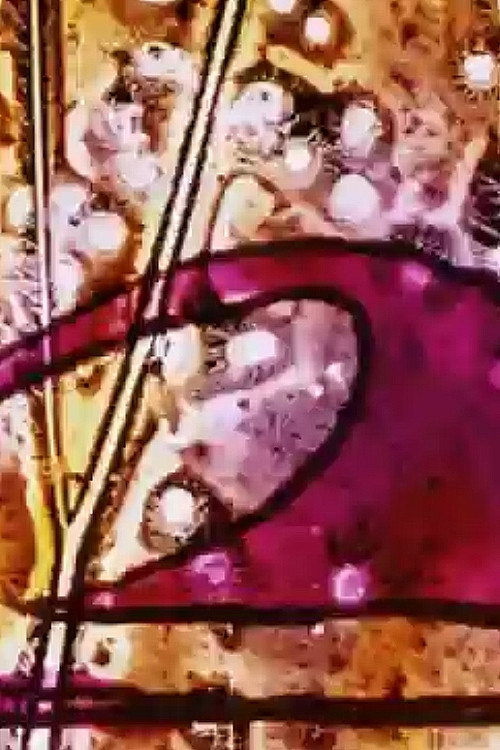
Transparence 1962
Step into the avant-garde world of Vic Towas with *Transparence (1962)*, a mesmerizing five-minute experimental film that pushes the boundaries of animation.
Director: Vic Towas
Frequently Asked Questions
What is Transparence (1962) about?
*Transparence* is an abstract experimental film that uses Vic Towas's unique "direct film" painting technique to create a visual symphony of light, color, and motion. Rather than telling a story, it invites viewers to immerse themselves in a sensory experience where every frame feels like a living painting.
Who directed Transparence?
Victor (Vic) Towas directed *Transparence* in 1962. Known for his groundbreaking experiments in animation, Towas pushed the boundaries of the medium with his innovative techniques.
Who stars in Transparence?
Cast details for *Transparence* are not publicly listed, as the film focuses on visual storytelling rather than traditional performances.
Is Transparence (1962) worth watching?
With its reputation as a bold experiment in animation, *Transparence* is a fascinating watch for fans of avant-garde cinema. While it's short, its artistic ambition and unique visual style make it a standout in the experimental genre.
How long is Transparence?
*Transparence* runs for 5 minutes.
About Transparence (1962): Experimental Animation by Vic Towas — Full Movie Info
Step into the avant-garde world of Vic Towas with *Transparence (1962)*, a mesmerizing five-minute experimental film that pushes the boundaries of animation. Crafted using the director's signature "direct film" painting technique, this short film transforms abstract visuals into a hypnotic dance of light and color. The result is less a traditional narrative and more a cinematic poem, inviting viewers to lose themselves in the interplay of shapes and textures. With its minimalist yet evocative approach, *Transparence* stands as a testament to Towas's relentless pursuit of innovation in the realm of experimental filmmaking.
Though brief, *Transparence (1962)* carries the weight of a bold artistic statement. Its unorthodox style challenges conventional animation, offering a sensory experience that lingers long after the credits roll. Whether you're a fan of experimental cinema or simply curious about the evolution of animation, Towas's work is a must-see—short, striking, and endlessly intriguing.