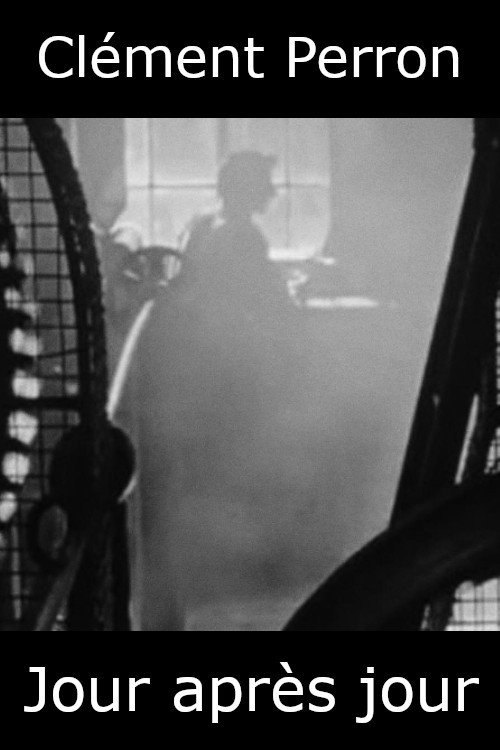
Day After Day 1962
Clément Perron's *Day After Day (1962)* captures the quiet rhythm of life in a small Québec mill town, where 6,500 residents depend entirely on the paper plant for their survival.
Director: Clément Perron
Cast
Frequently Asked Questions
What is Day After Day (1962) about?
*Day After Day (1962)* explores the daily lives of workers in a small Québec paper mill town, where the factory's routine dictates every aspect of existence. The film highlights the monotony of industrial labor and how it shapes the community's identity, traditions, and even personal relationships.
Who directed Day After Day?
Clément Perron directed *Day After Day (1962)*, bringing a keen eye for realism to this short documentary about industrial life in Québec.
Who stars in Day After Day?
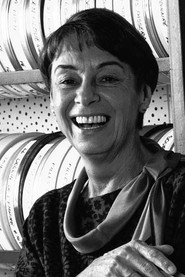
The documentary features Anne-Claire Poirier in a central role, anchoring the film's intimate portrait of life in the mill town.
Is Day After Day (1962) worth watching?
*Day After Day (1962)* is a fascinating, if somber, glimpse into a bygone era of industrial Québec. As a short documentary, it's best appreciated by fans of social realism or Canadian cinema history. Its brevity and stark themes make it a unique, if niche, watch.
How long is Day After Day?
*Day After Day (1962)* runs for 28 minutes.
About Day After Day (1962): A Glimpse Inside Québec's Paper Mill Towns
Clément Perron's *Day After Day (1962)* captures the quiet rhythm of life in a small Québec mill town, where 6,500 residents depend entirely on the paper plant for their survival. The documentary paints a vivid picture of routine and repetition, where the mill's daily grind shapes every aspect of existence—the identical shifts, the monotonous machines, the unvarying output. Over its 28-minute runtime, Perron transforms the factory's relentless cycle into a meditation on labor, monotony, and the subtle ways industrial life reshapes human existence.
Anne-Claire Poirier lends the film its human touch, framing the town's story with intimate, observational clarity. The documentary's stark realism and focus on economic dependence offer a compelling snapshot of mid-century Québec, where tradition and industry collide. *Day After Day (1962)* isn't just a film—it's a time capsule of a way of life, where the factory's hum becomes the soundtrack of an entire community.