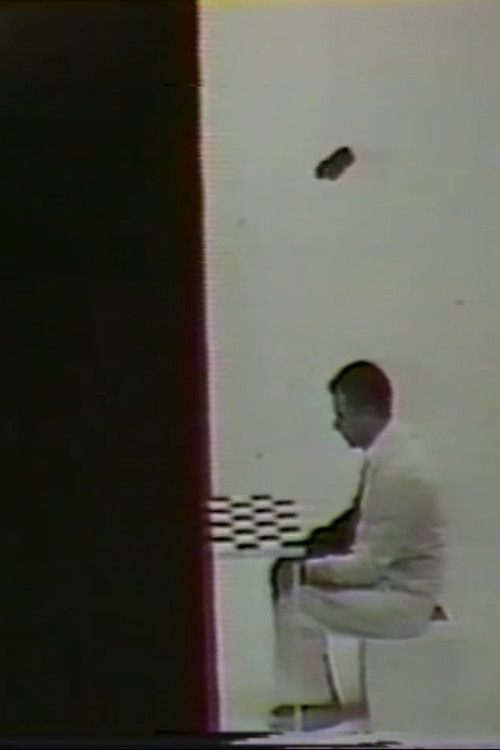
Chess 1982
Chess (1982) is a provocative and visually striking experimental short film by avant-garde director Stuart Sherman.
Director: Stuart Sherman
Frequently Asked Questions
What is Chess (1982) about?
This short film explores the strategic and adversarial nature of chess through avant-garde visual techniques. Director Stuart Sherman uses split-screen and black-and-white imagery to contrast opposing forces, turning a classic board game into a mesmerizing cinematic experience.
Who directed Chess?
Chess (1982) was directed by Stuart Sherman, an innovative experimental filmmaker known for his bold visual style and exploration of everyday objects and concepts through film.
Who stars in Chess?
Cast details for Chess (1982) are not listed.
Is Chess (1982) worth watching?
While Chess (1982) is a niche experimental short with no IMDb rating, its striking visual composition and thematic depth make it a compelling watch for fans of avant-garde cinema or those interested in how film can reinterpret familiar ideas.
How long is Chess?
Chess (1982) has a runtime of 3 minutes.
About Chess (1982) — A 3-Minute Experimental Masterpiece for Chess Enthusiasts
Chess (1982) is a provocative and visually striking experimental short film by avant-garde director Stuart Sherman. Clocking in at just three minutes, this black-and-white cinematic experiment explores the strategic and often adversarial nature of chess through the use of split-screen techniques. Sherman's bold approach transforms the classic board game into a dynamic display of opposing forces, using sharp visual contrasts and rhythmic editing to evoke a sense of tension and intellectual duel. The film's minimal runtime belies its ambitious artistic vision, making it a fascinating study of how abstraction and filmmaking can intersect to challenge traditional storytelling.
Often described as a meditation on competition and duality, Chess (1982) strips the game down to its core elements—movement, strategy, and opposition—while immersing the viewer in a hypnotic visual experience. Sherman's use of stark monochrome visuals and precise framing creates an atmosphere that is both cerebral and immersive, inviting audiences to reflect on the parallels between chess, life, and the art of competition itself. For fans of experimental cinema or anyone intrigued by how film can reimagine everyday concepts, this short film offers a brief but unforgettable cinematic experience.