Dry Flower 1986
Dry Flower (1986) marks Kazuhiro Sano's bold second self-produced directorial venture, where he steps into the lead role with raw intensity.
Director: Kazuhiro Sano
Cast

Frequently Asked Questions
What is Dry Flower (1986) about?
Dry Flower (1986) follows a deeply introspective protagonist as he grapples with personal demons in a world that feels increasingly detached. The film delves into the quiet ache of unfulfilled desires and the emotional toll of solitude, unfolding through a series of poignant, understated moments.
Who directed Dry Flower?
Dry Flower was directed by Kazuhiro Sano, who also took on the lead role in this self-produced project. This dual role highlights his commitment to bringing his artistic vision to life.
Who stars in Dry Flower?
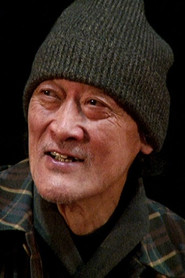
The cast of Dry Flower includes Kazuhiro Sano in the lead role, alongside Mitsuko Tomita, Makoto Ueda, and Kazuo Komizu, each delivering performances that resonate with emotional depth.
Is Dry Flower (1986) worth watching?
Dry Flower (1986) is a niche drama that rewards viewers seeking a slow-burn, character-driven experience. While it may not appeal to mainstream audiences, its atmospheric storytelling and raw performances make it a standout for fans of independent cinema. The lack of an IMDb rating suggests it remains a hidden gem worth discovering.
How long is Dry Flower?
Dry Flower has a runtime of 110 minutes.
About Dry Flower (1986) — A Haunting Character Study of Isolation and Desire
Dry Flower (1986) marks Kazuhiro Sano's bold second self-produced directorial venture, where he steps into the lead role with raw intensity. This intimate drama unfolds against the backdrop of personal struggles, exploring themes of isolation, longing, and the quiet desperation that lingers in unspoken emotions. With a deliberate pace and an atmosphere thick with melancholy, the film immerses viewers in the protagonist's emotional journey, blending vulnerability with a stark, unflinching realism.
Sano's direction crafts a deeply atmospheric experience, where every frame feels deliberate, and the performances—particularly from Mitsuko Tomita and Makoto Ueda—add layers of nuance to the narrative. The film's understated power lies in its ability to evoke empathy, making Dry Flower (1986) a compelling watch for fans of character-driven dramas seeking something beyond the ordinary.