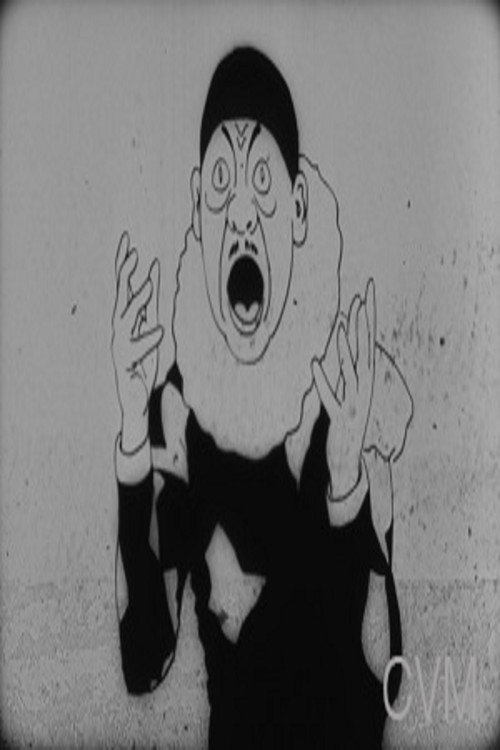
Münchener Bilderbogen: Pierette Nr. 1 1924
Münchener Bilderbogen: Pierette Nr. 1 (1924) offers a fascinating glimpse into early German animation, blending avant-garde visuals with eerie undertones.
Director: Oskar Fischinger
Frequently Asked Questions
What is Münchener Bilderbogen: Pierette Nr. 1 (1924) about?
This 1924 animated short explores a series of surreal, hand-drawn vignettes centered around Pierette, a character steeped in commedia dell'arte influences. The film's disjointed narrative and haunting visuals—achieved through techniques like the Rotoscope—create a mood that's equal parts joyful and unsettling, leaving much to interpretation.
Who directed Münchener Bilderbogen: Pierette Nr. 1?
The film was directed by Oskar Fischinger, a pioneer of experimental animation known for his innovative techniques and contributions to the medium.
Who stars in Münchener Bilderbogen: Pierette Nr. 1?
Cast details for the film are unlisted, as it's an early animated short with no credited performers.
Is Münchener Bilderbogen: Pierette Nr. 1 (1924) worth watching?
While not as polished as later animation, Pierette Nr. 1 is a fascinating artifact for fans of early film and experimental art. Its bold visual style and historical significance make it a curiosity worth exploring, especially for those interested in Weimar-era creativity. Just be prepared for a deliberately fragmented experience.
How long is Münchener Bilderbogen: Pierette Nr. 1?
The runtime is approximately 8 minutes.
About Münchener Bilderbogen: Pierette Nr. 1 (1924) — The eerie, experimental roots of German animation
Münchener Bilderbogen: Pierette Nr. 1 (1924) offers a fascinating glimpse into early German animation, blending avant-garde visuals with eerie undertones. Directed by Oskar Fischinger, this eight-minute short film combines hand-drawn sequences with experimental techniques like the Rotoscope, crafting a dreamlike atmosphere that oscillates between whimsy and melancholy. The characters, reminiscent of commedia dell'arte, move with dramatic shading and angular precision, while recurring motifs—a creative hand—anchor the narrative in a surreal, almost hypnotic rhythm. Fischinger's supervision lends the piece a controlled yet unpredictable energy, where joyful imagery clashes with a brooding, 'caligarism'-inspired aesthetic, leaving viewers to ponder its fragmented storytelling.
Though only a fragment of a larger serial remains, Pierette Nr. 1 stands as a testament to the bold experimentation of 1920s animation. Its visual language, both playful and unsettling, invites comparisons to Weimar-era art movements, where shadows and light dance unpredictably. For film enthusiasts and historians, this short is a rare artifact—an eight-minute capsule of creative risk-taking that rewards close observation with its layered textures and ambiguous charm.