The Converts 1910
Directed by the silent-era pioneer D.W. Griffith, *The Converts (1910)* unfolds in the morally charged atmosphere of a bustling dance hall where temptation and redemption collide.
Director: D.W. Griffith
Cast

Frequently Asked Questions
What is The Converts (1910) about?
This early silent short by D.W. Griffith tells the story of a dance hall performer whose life is upended when a charismatic but deceitful evangelist convinces her to abandon her old ways. As she seeks redemption, the film questions whether the evangelist himself is beyond saving.
Who directed The Converts?
The Converts was directed by the legendary D.W. Griffith, a pioneer of American cinema whose innovative storytelling techniques revolutionized silent film.
Who stars in The Converts?
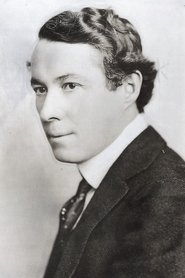
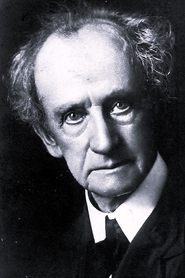
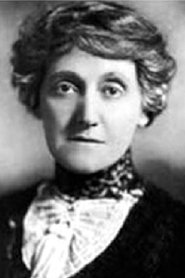
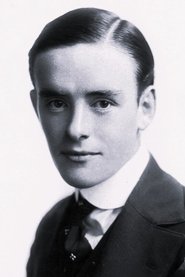
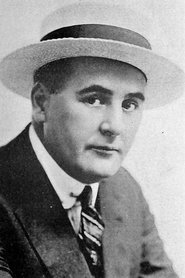
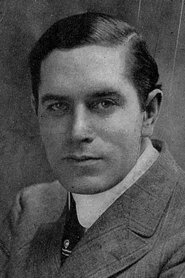
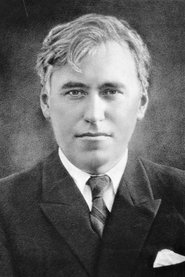
The film features Linda Arvidson, Henry B. Walthall, and W. Chrystie Miller as the lead performers, supported by a cast including Anthony O'Sullivan and Kate Bruce.
Is The Converts (1910) worth watching?
As a 15-minute silent-era piece, *The Converts* offers a fascinating look at early filmmaking and Griffith's thematic depth, though it's best appreciated as a historical curiosity. Its moral intrigue and dramatic pacing make it an engaging watch for silent film enthusiasts.
How long is The Converts?
The Converts runs approximately 15 minutes, a typical runtime for early silent films of the era.
About The Converts (1910) — D.W. Griffith's Silent-Era Tale of Faith and Deception
Directed by the silent-era pioneer D.W. Griffith, *The Converts (1910)* unfolds in the morally charged atmosphere of a bustling dance hall where temptation and redemption collide. The story follows a young woman whose life takes an unexpected turn when a self-proclaimed evangelist—more interested in his own influence than true salvation—attempts to steer her toward a life of piety. As moral conflicts sharpen, the film explores the fragility of faith, the deceptive power of charisma, and whether even the purveyors of righteousness can escape their own weaknesses. Shot in Griffith's signature style, the short film blends dramatic tension with the stark contrasts of early cinema, immersing viewers in a world where salvation feels both urgent and uncertain.
The 15-minute silent classic is a snapshot of its era, using minimal intertitles and expressive performances to convey emotion. Its themes of hypocrisy and spiritual struggle remain relatable, even over a century later, offering a glimpse into the storytelling techniques that would shape modern cinema. For fans of early film or Griffith's groundbreaking work, *The Converts* is a compelling, thought-provoking piece that lingers long after the final frame.