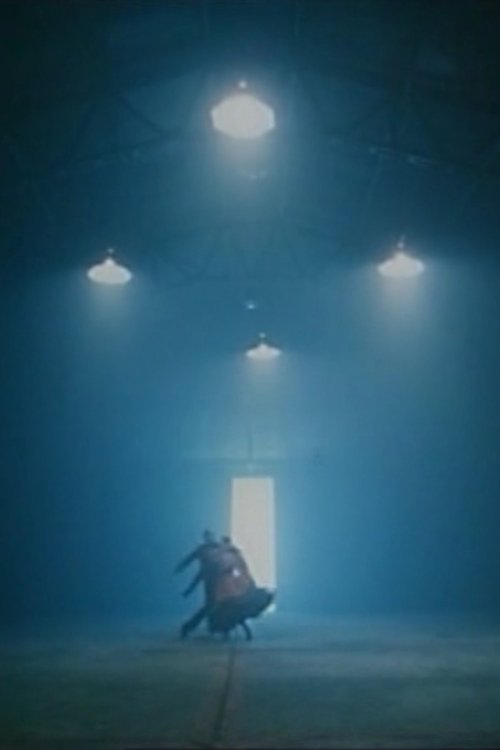
A Dream 1987
A Dream (1987) is a hauntingly brief documentary that emerged from unused footage originally intended for *Hommage à Beksiński*, Bogdan Dziworski's Cannes-screened tribute to the legendary Polish painter Zdzisław Beksiński.
Director: Bogdan Dziworski
Frequently Asked Questions
What is A Dream (1987) about?
This short documentary reimagines unused footage from Bogdan Dziworski's *Hommage à Beksiński* as a standalone visual experience. It explores the interplay between cinema and art, using Beksiński's unsettling paintings as a backdrop for a dreamlike exploration of creativity and interpretation.
Who directed A Dream?
A Dream was directed by Bogdan Dziworski, a Polish filmmaker known for his experimental documentaries that blend visual art with cinematic expression.
Who stars in A Dream?
Director information is not available for the cast listings in this short film.
Is A Dream (1987) worth watching?
Though unrated and obscure, A Dream offers a unique glimpse into the synergy between film and fine art. Its brevity and experimental nature make it a niche but rewarding watch for art and film enthusiasts seeking something outside the mainstream.
How long is A Dream?
A Dream (1987) runs for 9 minutes.
About A Dream (1987) — A Nine-Minute Visual Meditation on Zdzisław Beksiński's Art
A Dream (1987) is a hauntingly brief documentary that emerged from unused footage originally intended for *Hommage à Beksiński*, Bogdan Dziworski's Cannes-screened tribute to the legendary Polish painter Zdzisław Beksiński. This nine-minute cinematic meditation strips away narrative conventions to let Beksiński's surreal, nightmarish imagery take center stage, layering evocative camera work and subtle sound design over the painter's most iconic compositions. The film invites viewers to look beyond the surface of each canvas, searching for hidden connections between dreamlike visions and the raw emotions they evoke.
While short in runtime, A Dream (1987) packs a dense atmosphere of mystery and introspection, challenging audiences to interpret Beksiński's disturbing yet mesmerizing world on their own terms. It's less a documentary in the traditional sense and more a visual tone poem—one where every frame feels deliberately chosen to deepen the connection between cinema and painting. Perfect for fans of experimental art films, this obscure gem lingers long after the credits roll.